
Cyprus Sightseeing
Discover the most beautiful and significant places across Cyprus, from pristine beaches to ancient cultural sites and breathtaking natural wonders.
Showing 134 locations

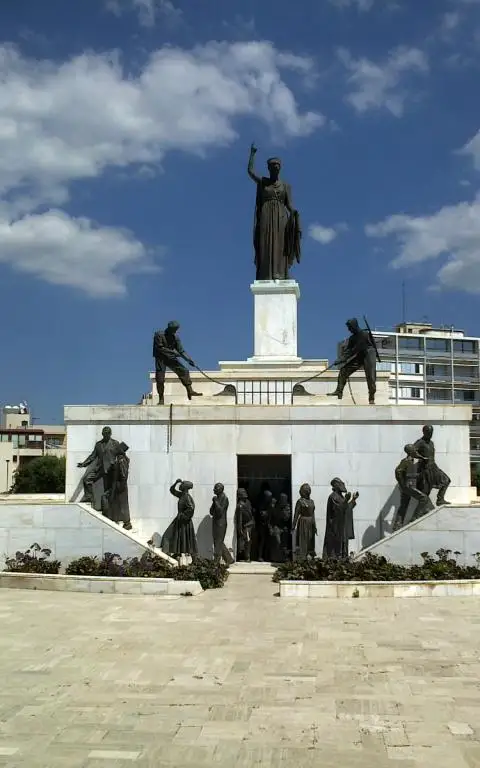
The Liberty Monument
The Liberty Monument, located near the Venetian Walls and Famagusta Gate in Nicosia, is one of the most important historical landmarks in Cyprus. It was built to honor the EOKA fighters who took part in the island’s struggle for independence from British rule between 1955 and 1959. The monument stands as a tribute to freedom, sacrifice, and national unity, making it a meaningful stop for visitors interested in Cyprus’s modern history. The monument features a striking sculptural composition: at the top stands a figure of liberty raising her arms, while below, soldiers are depicted freeing prisoners and citizens from colonial oppression. The surrounding area includes well-kept gardens and benches, offering a quiet space for contemplation and photographs with the old city walls in the background. Easily accessible from the city center, the Liberty Monument is often visited together with nearby Famagusta Gate and Eleftheria Square, forming part of a short walking route through Nicosia’s key historical sites.

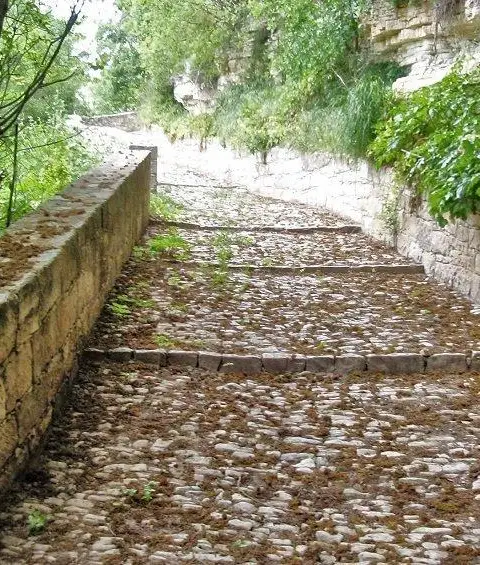
The Six Fountains Trail
The Six Fountains Trail (Hexa Piges Trail) is a cultural and natural jewel of Arsos, combining history, tradition, and scenic landscapes into one unforgettable walking experience. Stretching through the village and its surrounding countryside, the trail connects six historic fountains that have served as lifelines for Arsos across centuries. Historically, during the medieval period, these fountains were vital to the daily lives of villagers. They supplied fresh water for homes, gardens, and animals, and remarkably, even during severe droughts, the springs never ran dry. This reliability made them essential not only for survival but also as social gathering spots, where locals met, shared stories, and worked together. Along the trail, visitors encounter each fountain, each with its own story: **Athkies Fountain:** the starting point of the trail, named after the willows (athkies) that grow around it. **Arkatzin Fountain:** once used to irrigate nearby gardens, located beside the Byzantine Monastery of Catholic Holy Mary. **Pano Vrisi Fountain:** where women of the village traditionally gathered to wash clothes and sheets. **Kostena Fountain:** originally an important water source, it was converted into a water tank in the early 1970s. **Koupas Fountain:** mainly used for watering animals, reflecting the agricultural way of life. **Poullin Fountain:** an impressive structure with two arches that marks the end of the route. As you walk between the fountains, the trail leads through vineyards, orchards, and olive groves, with plenty of shaded spots for rest. In spring, wildflowers brighten the route, while autumn offers views of harvest time in Arsos. The Six Fountains Trail is both a peaceful nature walk and a living open-air museum, where history and daily village life meet.

The Venitian Walls of Nicosia
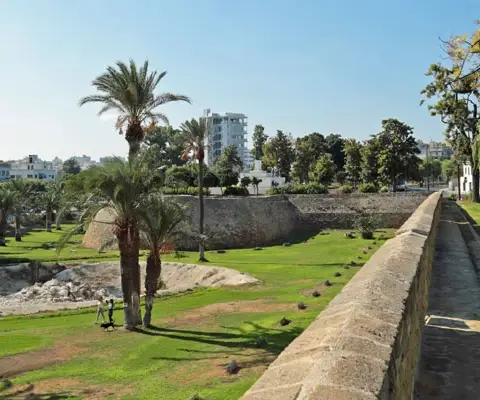
The Venetian Walls of Nicosia are among the most remarkable fortifications in Europe, completely encircling the Old City with their distinctive star-shaped design. Built in the 16th century by the Venetians to defend the city against Ottoman invasion, the walls stand as a masterpiece of Renaissance military architecture. Their eleven bastions and deep moat once formed an impenetrable defense line — and today, they remain one of Cyprus’s most iconic landmarks. Visitors can still walk along and around the perimeter of the Old City, following the curve of the bastions while discovering historic gates, museums, churches, and cafés nestled within the ancient streets. The Famagusta Gate is one of the most famous entrances and now serves as a vibrant cultural center hosting art exhibitions and events. The location shared marks an excellent starting point for exploring the Venetian Walls, as it offers clear views of the stone fortifications and easy access to walking paths leading around the Old City. From there, visitors can continue toward Eleftheria Square, Liberty Monument, and other nearby sites, experiencing how history and modern life intertwine inside the capital’s ancient circle.

Throni Shrine
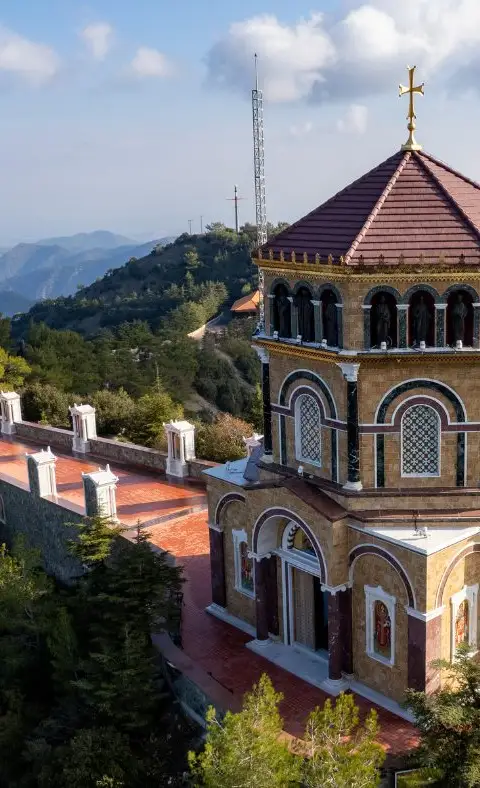
The Throni Shrine, also known as the Throni of Panagia, is a revered site located just a short drive above the Kykkos Monastery, at an altitude of approximately 1,450 meters in the Troodos Mountains. Surrounded by dense pine forests and panoramic mountain views, this sacred spot is where the first President of Cyprus, Archbishop Makarios III, chose to be buried. The shrine holds deep historical and emotional significance, drawing both pilgrims and visitors who wish to honor his memory. At the heart of the site lies the bronze statue of Archbishop Makarios III, an impressive monument standing over three meters tall. The statue overlooks the island, symbolizing his lasting legacy as both a spiritual leader and a national figure. A path lined with mosaics depicting saints and scenes from Orthodox tradition leads to the tomb, blending spirituality, history, and natural beauty in one serene setting. Visitors often describe the Throni Shrine as a place of profound peace, reflection, and respect. The location also offers stunning panoramic views of the surrounding mountains and valleys, making it a popular stop for those exploring the region near Kykkos Monastery. Together, the monastery and the Throni Shrine form an essential part of Cyprus’ cultural and religious heritage.

Tomb of Archbishop Makarios III
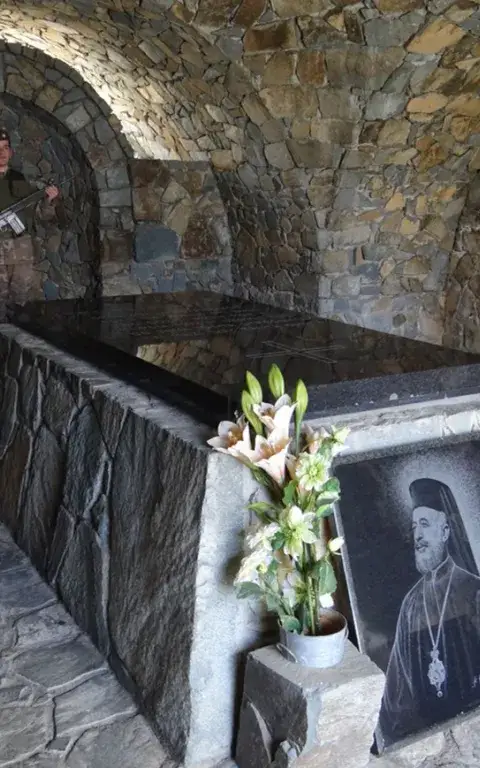
The Tomb of Archbishop Makarios III lies on Throni Hill, just above the Kykkos Monastery in the Troodos Mountains. Surrounded by dense pine forests and the cool mountain air, this peaceful site is where the first President of the Republic of Cyprus and revered national figure chose to be buried. The location holds deep emotional and historical significance, symbolizing both his spiritual roots and his enduring dedication to the island he led. Makarios III began his religious life as a monk at Kykkos Monastery, and it was his wish to be laid to rest near this sacred place. His tomb, carved into the mountain rock, is simple yet profoundly dignified a powerful reflection of his humility and devotion. The site is guarded around the clock by members of the Cypriot National Guard, ensuring the resting place of the island’s most respected leader remains honored and protected. Visitors often describe the atmosphere as one of deep reverence and serenity. The walk to the tomb takes visitors through a paved path adorned with religious mosaics, leading past the towering bronze statue of Archbishop Makarios III, which gazes over the island’s landscape. From the top, the panoramic views of the Troodos Mountains and valleys below create a sense of both peace and connection to Cyprus’ soul.

Tombs of the Kings
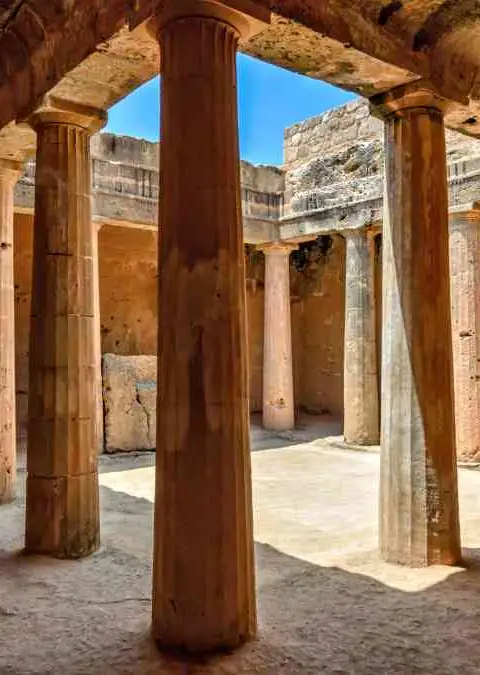
The Tombs of the Kings is one of Paphos’ most famous archaeological sites. Despite its name, it was not exclusively used by kings; these tombs were built for high-ranking officials, aristocrats, and wealthy citizens of ancient Paphos. Carved directly out of solid rock, the tombs feature impressive underground chambers, Doric columns, and frescoed walls, reflecting the architectural styles of the Hellenistic and Roman periods. Visitors can walk through the tombs’ expansive corridors and stairways, marvel at the intricate designs, and imagine the elaborate funerary practices of ancient Cyprus. The site is set on a hill overlooking the Mediterranean, adding spectacular views to the historical experience. Its proximity to Paphos Archaeological Park makes it easy to explore both sites in a single visit.

Trooditissa Picnic Site
Trooditissa Picnic Site is a forest recreation area located in the Troodos Mountains near Trooditissa Monastery. Surrounded by tall pine trees and mountain scenery, the site offers a cool and shaded environment where visitors can relax, eat, and enjoy nature. Its location makes it a convenient stop for travellers exploring the Troodos region or visiting nearby monasteries and villages.The picnic area is organised with wooden tables, benches, and open spaces designed for families and groups. The forest setting provides natural shade throughout most of the day, creating a comfortable place to spend time outdoors even during warmer months. The sound of wind through the trees and the fresh mountain air add to the calm atmosphere.Trooditissa Picnic Site is also used as a starting point for short walks through the surrounding forest. Visitors often combine a stop here with trips to Trooditissa Monastery, Platres village, or nearby waterfalls. The area is maintained by the forestry authorities and is part of the protected Troodos forest landscape.

Turtle Beach
Turtle Beach in Protaras is a small, charming bay known for its shallow waters, rocky formations, and opportunities to spot marine life. Unlike the larger organized beaches nearby, this stretch of coastline has a more natural, rugged feel, making it perfect for snorkeling and exploring beneath the surface. The beach gets its name from the sea turtles that occasionally visit the area. If you are lucky, you might see turtles swimming close to shore, an unforgettable highlight for visitors who enjoy wildlife and eco-tourism.

Vizakia Beach
Vyzakia Beach is a small yet charming sandy cove located between Fig Tree Bay and Green Bay in Protaras. With soft golden sand and crystal-clear shallow waters, it’s an ideal spot for families with children or anyone looking for a quieter seaside escape. The surrounding rock formations create a natural bay, giving the impression of a calm, natural swimming pool.

Vrysoudi beach
Vrysoudi Beach is a lovely stretch of golden sand nestled between Louma Beach and Ayia Triada, just behind the Crystal Springs Hotel. Its moderate size gives it a comfortable atmosphere — big enough to have good facilities, small enough to avoid feeling overwhelming. The sand is soft and the sea clean, with water clarity that makes it appealing for swimming or just floating and relaxing. The beach tends to be well kept and feels welcoming throughout the day, whether in morning calm or the warmer midday sun. Around the beach there is a variety of cafés, kiosks, and restaurants that make it easy to spend a full morning or afternoon there without needing to travel far for food or refreshments. When summer is in full swing the presence of lifeguards and first aid services adds peace of mind. The view across the water is simple but beautiful: sea meeting sky, gentle waves, and a relaxed coastal backdrop. It’s the type of beach where families, couples, and travellers who want both amenities and a bit of serenity feel happy.

Vryssi Beach (Sunrise)
Vryssi Beach, often called Sunrise Beach because of its breathtaking morning views, is the central jewel of Protaras’s coastline. Stretching for nearly a kilometer, this wide sandy beach forms the heart of the town’s seaside promenade. With fine golden sand and calm, shallow waters, it’s a favorite among both locals and international visitors. The beach is perfectly set for families and groups, offering large swimming areas with gentle waves and plenty of space to relax. Alongside the shore, a lively promenade connects to restaurants, cafes, shops, and hotels, giving the beach an urban-yet-relaxed feel. Visitors can easily combine a day of sunbathing with food, drinks, and evening strolls under the lights of Protaras. Water activities are another highlight. From jet skiing and paddle boarding to parasailing and boat trips, Vryssi Beach is buzzing with opportunities for adventure on the water. Snorkelers can also enjoy exploring around the rocky edges for a glimpse of marine life. As its name suggests, Sunrise Beach is especially magical in the early morning. Watching the sun rise over the Mediterranean from this spot is an unforgettable experience, with golden rays lighting up the calm waters and creating a serene atmosphere before the day begins.

Zapalo Beach
Zapalo Beach, also known as Episkopi Bay, is one of Limassol’s most breathtaking and unspoiled coastal gems. Hidden beneath dramatic limestone cliffs near Kourion and Agios Ermogenis, this beach offers a stunning panorama of turquoise waters, rugged natural beauty, and complete tranquility. Its untouched landscape and secluded atmosphere make it a favorite among nature lovers, photographers, and those seeking a peaceful escape from the city’s busier beaches. The beach itself is a long, narrow stretch of sand and pebbles, surrounded by steep cliffs that create a feeling of privacy and isolation. The clear, deep waters are ideal for swimming during calm days, while the area’s marine life and rocky coves attract snorkelers and divers. From the top of the cliffs, visitors can admire spectacular views of the entire bay — especially at sunset, when the golden light reflects beautifully off the sea and surrounding rock formations. While Zapalo Beach remains mostly natural and undeveloped, this is part of its charm. There are no organized facilities, so visitors are advised to bring their own water and supplies. The descent to the beach is steep and best suited for those comfortable with a bit of hiking or off-road driving. Its wild beauty and peaceful surroundings make it an ideal spot for quiet relaxation, photography, or a scenic stop after exploring Kourion Archaeological Site and Agios Ermogenis Chapel nearby