
Cyprus Sightseeing

    Discover the most beautiful and significant places across Cyprus, from pristine beaches to ancient cultural sites and breathtaking natural wonders.

    Showing 134 locations

    Salt Lake View Point - Nature Outdoors in Larnaca District, Cyprus

    Salt Lake View Point

    Larnaca District

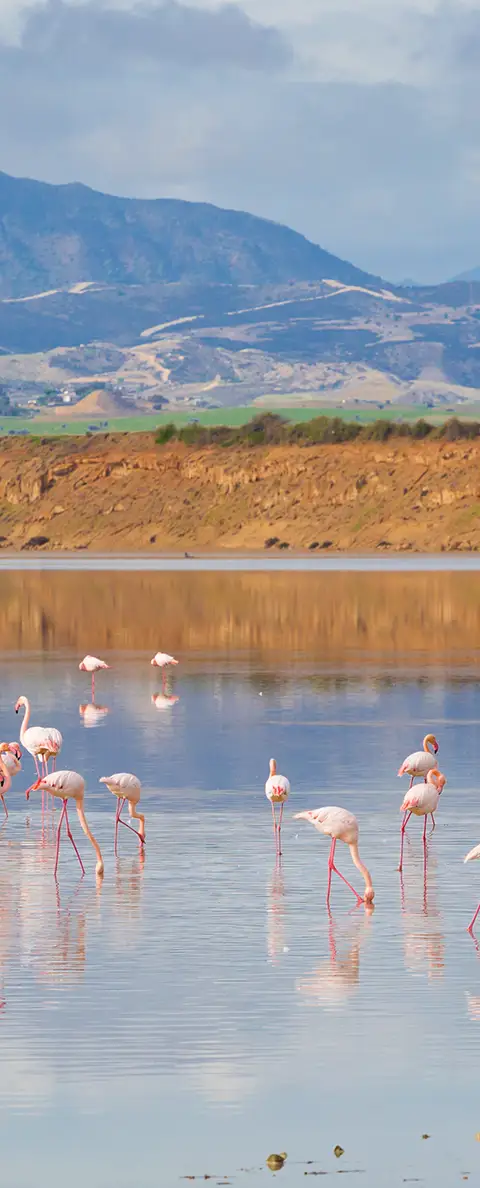
    Larnaca Salt Lake, known locally as Alyki, is one of the most breathtaking natural landmarks in Cyprus and a symbol of the city’s beauty throughout the seasons. Located just west of Larnaca and stretching over several interconnected lakes, this remarkable site transforms completely from summer to winter. During the hot months, the water evaporates, leaving a gleaming white salt crust across the surface. In winter, the lake fills again, creating a vast, reflective mirror of water that attracts thousands of migratory birds, including the famous pink flamingos that arrive each year. The sight of flamingos feeding gracefully against the backdrop of the setting sun is one of the most photographed scenes in Cyprus. Along with the flamingos, the lake is also home to more than 80 species of migratory birds, making it an internationally protected wetland under the Ramsar Convention. A walking path circles parts of the lake, perfect for nature lovers, joggers, and photographers who wish to enjoy the serene environment. Larnaca Salt Lake is not just a natural wonder but also a place of calm and reflection, where visitors can connect with the island’s landscapes and traditions. Its unique blend of beauty, wildlife, and heritage makes it one of the most memorable experiences in Cyprus.

    Sandy Bay Beach (Vathia Gonia) - Beaches in Famagusta District, Cyprus

    Sandy Bay Beach (Vathia Gonia)

    Famagusta District

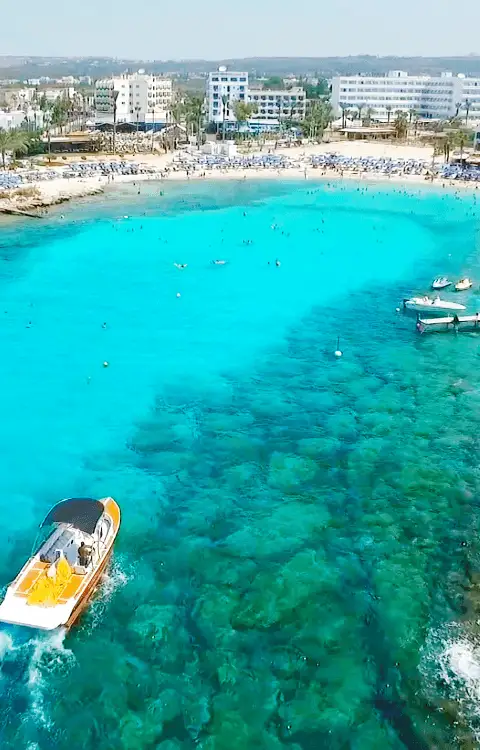
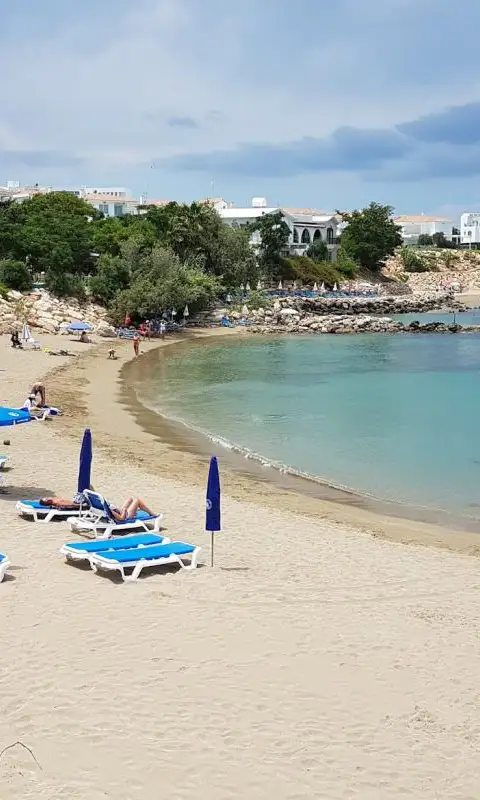
    Sandy Bay, also called Vathia Gonia Beach, is a peaceful coastal spot west of Ayia Napa. The beach features a wide stretch of soft sand that leads into clear waters perfect for a refreshing swim. Its rocky edges and small coves make it ideal for snorkeling, allowing visitors to explore the underwater world and spot marine life. The surrounding cliffs and natural greenery provide a beautiful backdrop, creating a serene environment for relaxation and photography.

    Sculpture Open Park - Culture History in Famagusta District, Cyprus

    Sculpture Open Park

    Famagusta District

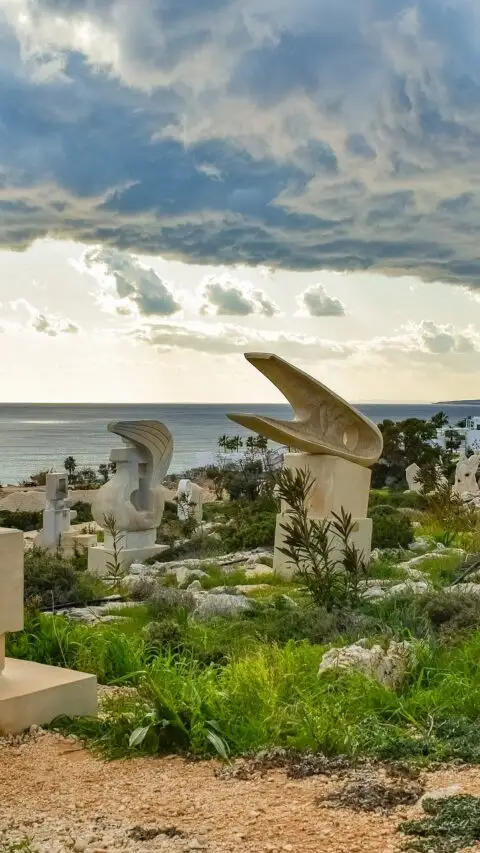
    The Ayia Napa Sculpture Park, also known as the Open Air Sculpture Park, is one of the town’s most distinctive cultural landmarks. Opened in 2014, the park showcases hundreds of sculptures created by artists from around the world during annual international symposia. The works are carved primarily from local limestone and marble, blending contemporary creativity with the natural landscape of Ayia Napa’s rugged coastline. The park stretches across a large area overlooking the Mediterranean, offering stunning sea views alongside the impressive artwork. Each sculpture tells its own story, with themes ranging from mythology and history to abstract modern art. Walking through the park feels like an open-air gallery, where visitors can enjoy both art and nature in perfect harmony. Its location along the coastal pathway makes it an easy stop for those visiting the nearby Love Bridge or exploring the Glyki Nero area. The park has become a symbol of Ayia Napa’s growing cultural scene, showing that the town is more than just nightlife and beaches. For art enthusiasts, photographers, and anyone who enjoys unique landscapes, the Sculpture Park is a must-see.

    Sea Caves - Nature Outdoors in Famagusta District, Cyprus

    Sea Caves

    Famagusta District • Cape Greco National Park

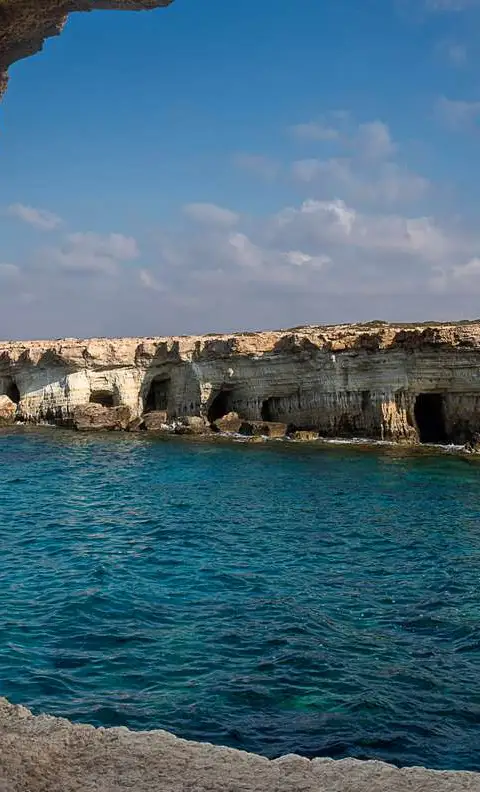
    The Ayia Napa Sea Caves are one of the most breathtaking natural landmarks on the southeastern coast of Cyprus. Stretching along the rugged Cape Greco coastline, these dramatic formations were carved out by centuries of waves and wind, creating arches, tunnels, and hidden chambers along the cliffside. At sunrise and sunset, the caves take on a magical golden glow, making them a favorite for photographers and nature lovers. Visitors often come here to explore the rocky formations on foot, admire the panoramic views of the Mediterranean, or take a refreshing swim in the crystal-clear waters below. Some adventurers even dive or snorkel near the caves, discovering the marine life that thrives in this unique habitat.

    Secret Bridge (Sandy Bay Beach) - Nature Outdoors in Famagusta District, Cyprus

    Secret Bridge (Sandy Bay Beach)

    Famagusta District

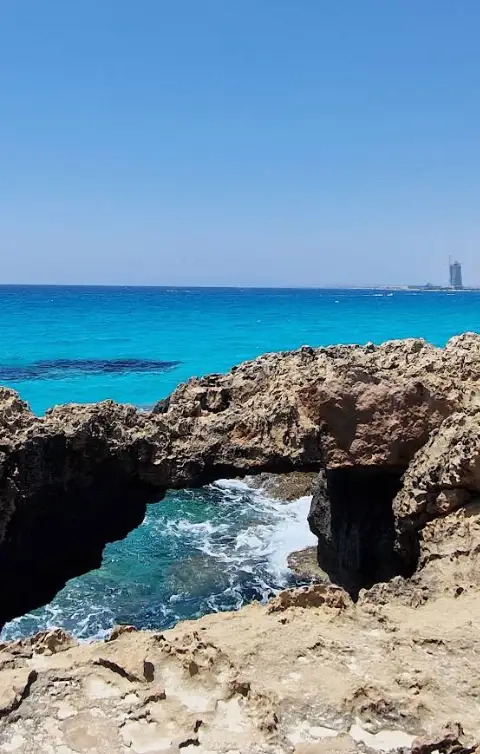
    Close to the lively Nissi Beach, a short walk along the rocky coastline reveals a hidden gem often called the Secret Bridge. This small natural stone arch is carved out by the sea and wind over centuries, creating a delicate formation that feels like a hidden treasure for those who know where to look. Unlike the crowded main beach, the area around the bridge is quieter, giving visitors a chance to enjoy a moment of calm and take in the coastal scenery. It’s not a large formation like the Love Bridge in Cape Greco, but its tucked-away charm makes it a favorite spot for curious explorers and photographers.

    Serena Beach - Beaches in Famagusta District, Cyprus

    Serena Beach

    Famagusta District

    Serena Beach, often called Sirena Bay Beach, is a charming small sandy cove situated where Ayia Triada meets Pernera, close to the Golden Coast Harbour. It features golden sand and clear water, forming a cozy beach spot that is sheltered from strong waves and wind, which makes it pleasant for swimming and relaxing. The surrounding area has a mix of hotels, beach bars and restaurants, with Serena Beach Bar being one of the prominent establishments right by the beach. The beach has a relaxed yet stylish feel, attracting both locals and visitors who want a combination of comfort and natural beauty. Because of its size and location, Serena Bay is not as large or busy as some of the more famous beaches in Protaras, so it can feel more intimate. The beach bar “Serena” offers amenities that elevate the experience: sunbeds, umbrellas, food and drinks close to the sand. It lies along the coastal road between Ayia Triada and Pernera and can be accessed via that road or from nearby hotels. Its proximity to the newer marina development adds a marine-ambience to the views, especially as seen from the beach.

    St Raphael Marina - Modern Attractions in Limassol District, Cyprus

    St Raphael Marina

    Limassol District

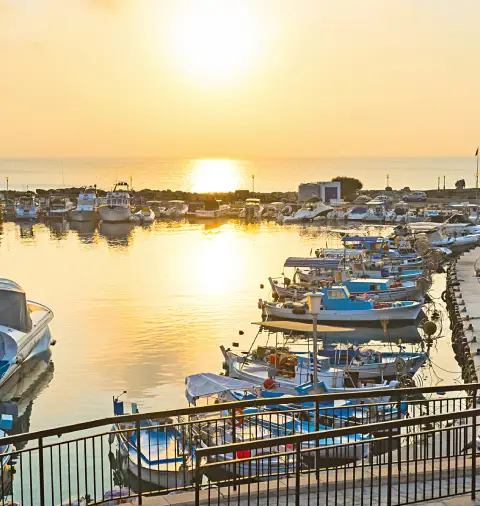
    St. Raphael Marina is a stylish and tranquil marina located on the eastern edge of Limassol, adjacent to the luxurious St. Raphael Resort. Known for its relaxed atmosphere and scenic beauty, it offers an elegant coastal experience with a blend of leisure, comfort, and charm. The marina is smaller and quieter than the busy Limassol Marina, making it ideal for visitors seeking a peaceful spot to enjoy the sea and admire yachts moored against the backdrop of the Mediterranean. Built in the late 1980s, St. Raphael Marina was one of the first private marinas in Cyprus and remains a favorite among both locals and international sailors. It features a beautifully maintained promenade lined with palm trees, outdoor dining areas, and access to the adjacent Blue Flag beach. The area is perfect for a seaside walk, a casual meal, or simply enjoying the tranquil coastal views. With its convenient facilities and friendly atmosphere, it’s a hidden gem for those who prefer a more relaxed side of Limassol’s waterfront. Whether you’re arriving by sea or visiting from the city, St. Raphael Marina combines the charm of a boutique harbor with the amenities of a high-end resort. Its proximity to the hotel means visitors can enjoy access to restaurants, bars, and water sports while still appreciating a quiet, exclusive environment. The marina’s calm waters and clean surroundings make it an ideal stop for yachting enthusiasts and families alike.

    Statue of Icarus - Modern Attractions in Famagusta District, Cyprus

    Statue of Icarus

    Famagusta District

    The Statue of Winged Icarus is a striking modern sculpture located in Ayia Napa, celebrating the mythological figure Icarus from Greek legend. The sculpture depicts Icarus with outstretched wings, capturing a sense of ambition, flight, and human aspiration. Positioned in a public space, the statue has become a popular landmark for visitors interested in art, mythology, and photography. Its sleek, contemporary design contrasts with the traditional architecture found elsewhere in the town, making it a distinctive cultural feature of Ayia Napa.

    The Big Potato - Culture History in Larnaca District, Cyprus

    The Big Potato

    Larnaca District

    The Xylofagou Big Potato is a landmark monument celebrating the village’s long-standing connection to potato farming. Located near the entrance of Xylofagou, the large sculpture has become a recognizable symbol of the area’s agricultural identity. It represents the importance of potato production to the local economy and culture. Xylofagou is one of the main potato-producing areas in Cyprus, supplying both local markets and exports. The monument highlights this role in a clear and visual way, making it an easy reference point for visitors passing through the region. It is often included in short stops, photo breaks, and local driving routes. The Big Potato has grown into a light-hearted attraction that reflects village pride. While simple in design, it connects visitors directly to the everyday life and working landscape of the area. It is commonly visited alongside other nearby village landmarks and coastal destinations.

    The Cyprus Museum - Culture History in Nicosia District, Cyprus

    The Cyprus Museum

    Nicosia District

    The Cyprus Museum is the island’s main and largest archaeological museum, and charts the development of Cyprus’ civilisation from the Neolithic Age to the Early Byzantine period (7th century). The museum’s collections are comprised of finds from extensive excavations from all over the island that have helped the development of Cyprus’ archaeology, as well as its research into the cultural heritage of the Mediterranean. The collections consist of pottery, jewellery, sculpture, coins, copper objects, and other artefacts, all exhibited in chronological order in the various museum galleries. Pieces typical of Cypriot culture – and of particularly important artistic, archaeological and historical value – include the cross-shaped idol of the Chalcolithic period, Early Bronze Age pottery from Vouni, Late Bronze Age golden jewellery from Egkomi, and the 1st century BC statue of Aphrodite of Soloi. The museum building itself is also historic, and work on it commenced in 1908 and was completed in 1924, when Cyprus was still a British colony. Several extensions were later added for the museum to become the building it is today. The museum is linked with the Aphrodite Cultural Route.

    The Dome Beach - Beaches in Famagusta District, Cyprus

    The Dome Beach

    Famagusta District

    The Dome Beach is a smaller and more intimate stretch of sand on the western edge of Ayia Napa. Unlike the bustling beaches nearby, it offers a quieter atmosphere with calm waters and a backdrop of the Dome Hotel, which gives the spot its name. The beach blends convenience with tranquility, making it a popular choice for those who want to relax away from the large crowds.

    The Leventis Municipal Museum of Nicosia - Culture History in Nicosia District, Cyprus

    The Leventis Municipal Museum of Nicosia

    Nicosia District

    The Leventis Municipal Museum of Nicosia is one of the most important cultural institutions in the capital, offering a captivating journey through the city’s story from ancient times to the modern era. Located in the heart of the old town within the walled city, the museum is housed in a beautifully restored building that reflects the charm of traditional Nicosia architecture. Inside, visitors are guided through a chronological exhibition that brings together artifacts, photographs, clothing, documents, and everyday objects that reveal how the city has evolved over centuries. The museum’s collections span the prehistoric period, the Byzantine era, Lusignan and Venetian rule, Ottoman and British administration, and the modern Republic of Cyprus. Each room immerses visitors in a different chapter of Nicosia’s past, showing how people lived, traded, worshipped, dressed, and interacted through time. The exhibits balance historical depth with accessible storytelling, making the museum appealing for both casual visitors and those deeply interested in the island’s heritage. Warm and well-organized, the Leventis Municipal Museum is not just a display of artifacts but a window into the soul of Nicosia. It highlights the city’s resilience, diversity, and cultural richness, allowing visitors to better understand the traditions and influences that shaped Cyprus into what it is today.