

About This Location
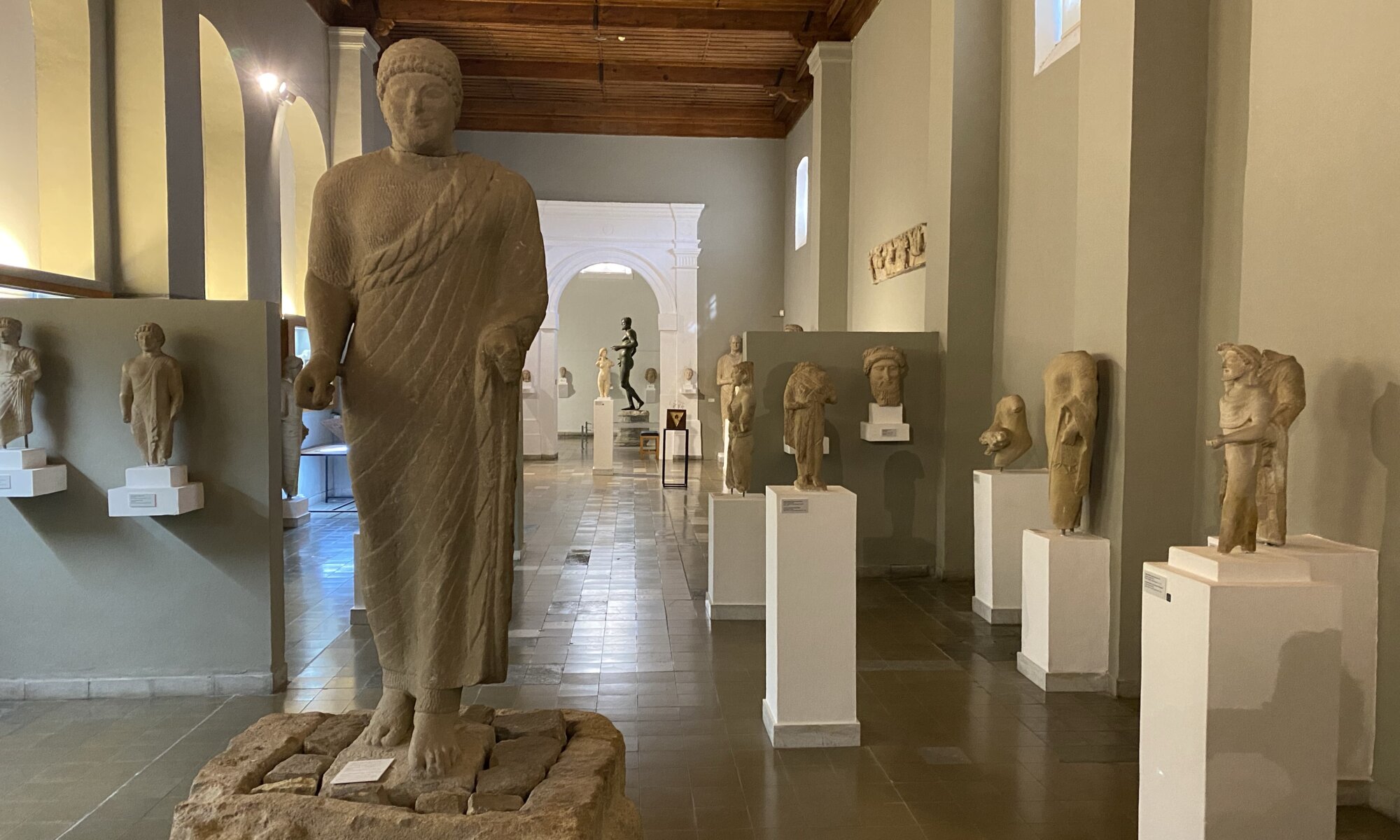
The museum’s collections are comprised of finds from extensive excavations from all over the island that have helped the development of Cyprus’ archaeology, as well as its research into the cultural heritage of the Mediterranean.
The collections consist of pottery, jewellery, sculpture, coins, copper objects, and other artefacts, all exhibited in chronological order in the various museum galleries. Pieces typical of Cypriot culture – and of particularly important artistic, archaeological and historical value – include the cross-shaped idol of the Chalcolithic period, Early Bronze Age pottery from Vouni, Late Bronze Age golden jewellery from Egkomi, and the 1st century BC statue of Aphrodite of Soloi.
The museum building itself is also historic, and work on it commenced in 1908 and was completed in 1924, when Cyprus was still a British colony. Several extensions were later added for the museum to become the building it is today.
The museum is linked with the Aphrodite Cultural Route.
✨ Why It's Special
- The largest and oldest archaeological museum in Cyprus
- Artifacts spanning 9,000 years of history — from the Neolithic to the Byzantine period
- Exquisite terracotta figurines, sculptures, pottery, and jewelry
- The Aphrodite of Soli statue and other unique finds from across the island
Getting here by bus
- Chilonos - Nechrou Avenueabout 100 m awayPame Express
GSP1
- Chilonos - Nechrou Avenueabout 100 m awayNPT (Nicosia)
13
- Museum - THOKabout 100 m awayNPT (Nicosia)
111941405N2
- Museum - THOKabout 100 m awayEMEL (Limassol)
66
Scheduled times in Cyprus local time, from the Cyprus National Access Point (CC BY 4.0). Timetables and routes can change — check with the operator before travelling.
🗺️ Other Sights Nearby
Famagusta Gate
Famagusta Gate is one of the three monumental gates built by the Venetians in the 16th century as part of Nicosia’s defensive walls. Once the main entrance connecting the capital to the eastern coast and the port city of Famagusta, the gate remains one of the most striking examples of Renaissance military architecture in Cyprus. Its thick
The Venitian Walls of Nicosia
The Venetian Walls of Nicosia are among the most remarkable fortifications in Europe, completely encircling the Old City with their distinctive star-shaped design. Built in the 16th century by the Venetians to defend the city against Ottoman invasion, the walls stand as a masterpiece of Renaissance military architecture. Their eleven bast
Old GSP Square
Old GSP Square, located just outside the Venetian walls of Nicosia, is a central urban space built on the site of the original GSP Stadium. For decades, the old stadium served as a major landmark where football matches, gatherings, and community events brought people together. After the stadium was relocated, the area was transformed into