
Cyprus Sightseeing
Discover the most beautiful and significant places across Cyprus, from pristine beaches to ancient cultural sites and breathtaking natural wonders.
Showing 134 locations

Dragon Cave
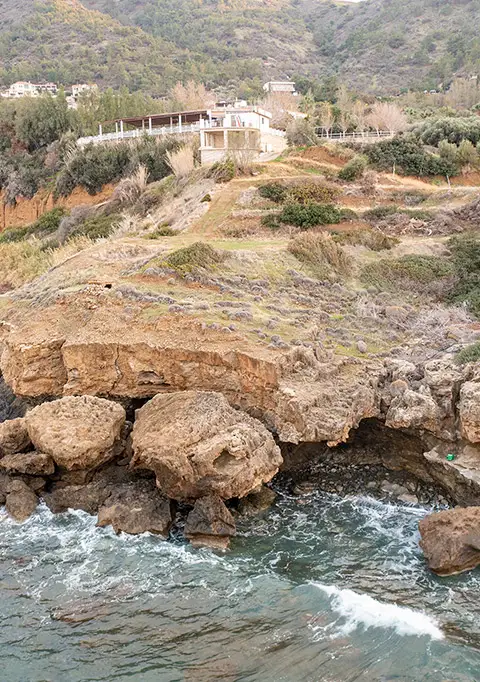
Dragon Cave is a small, scenic cave located near Pomos on Cyprus’ northwestern coast. It is carved naturally into the coastal cliffs and offers impressive views of the Mediterranean Sea. The site is popular with visitors who enjoy exploring natural formations, taking photos, or simply enjoying a quiet spot by the sea. The cave is easily accessible from Pomos, making it a great addition to a day of village exploration, beach visits, or hiking along the coast. Its combination of natural beauty and coastal scenery makes Dragon Cave a hidden gem for travelers seeking tranquility and adventure.

Eleftheria Square
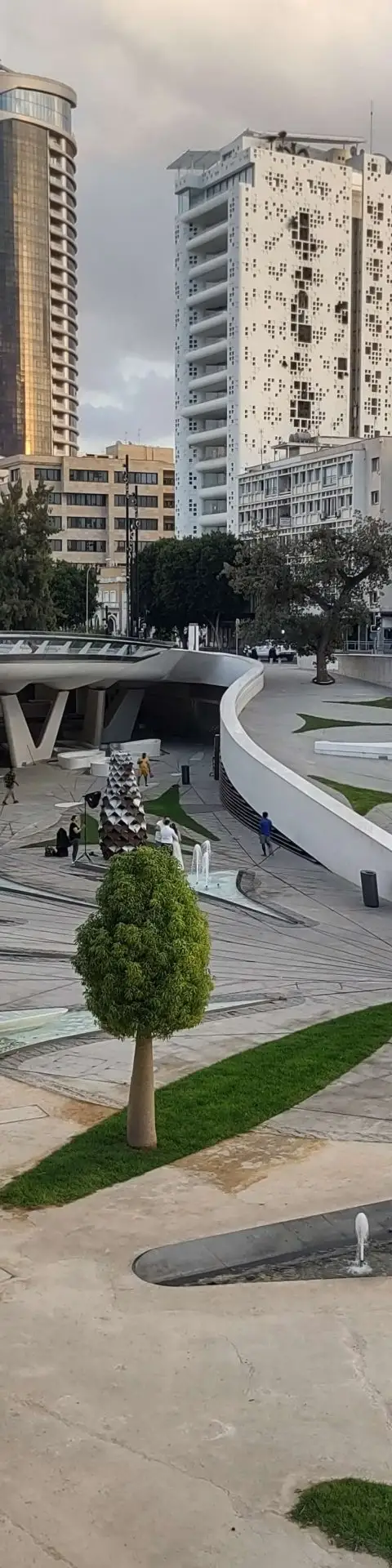
Eleftheria Square is the main civic and cultural hub of Nicosia, Cyprus’s capital city. Designed by world-renowned architect Zaha Hadid, the square represents a bold blend of modern architecture and historic surroundings. Its flowing white concrete design contrasts with the Venetian walls that border the old city, symbolizing the link between Nicosia’s past and future. The square serves as a central gathering place for locals and visitors alike, with open spaces, seating areas, and panoramic views of the old city. From here, you can easily walk to Ledra Street, the city’s main pedestrian shopping and dining area, or explore nearby museums, galleries, and landmarks. By night, the square is softly illuminated, creating a lively yet relaxed atmosphere for socializing and people-watching. Eleftheria Square is also a venue for public events, art installations, and cultural celebrations, making it one of the most dynamic spots in Nicosia. It perfectly reflects the city’s identity — historic, evolving, and full of life.

Emmeleia Sea Cave
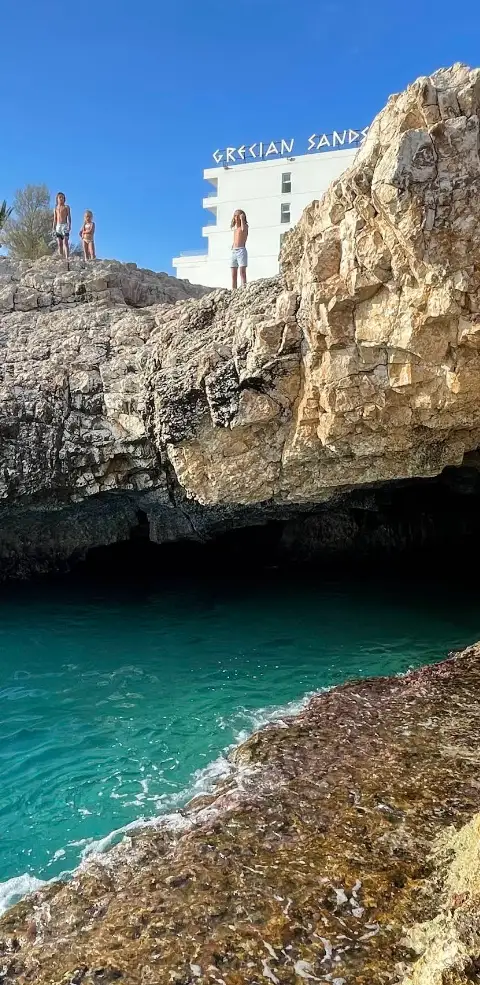
The Emmeleia Sea Cave is one of the natural wonders along Ayia Napa’s dramatic coastline, located on the route between Glyki Nero Beach and the famous Love Bridge. The cave opens directly into the turquoise waters of the Mediterranean, creating a natural shelter that has long fascinated visitors. Its name, Emmeleia, is tied to ancient Greek culture, referring to the graceful dance performed in classical theater, which reflects the cave’s serene and elegant setting. The cave is easily visible from the coastal path, but adventurous visitors can also approach it from the water by swimming, snorkeling, or kayaking. Inside, the rock formations and light reflections create an otherworldly atmosphere, making it a popular stop for nature lovers and photographers. The sea cave is part of the larger network of coastal caves that make Ayia Napa such a unique destination for exploration.

Famagusta Gate
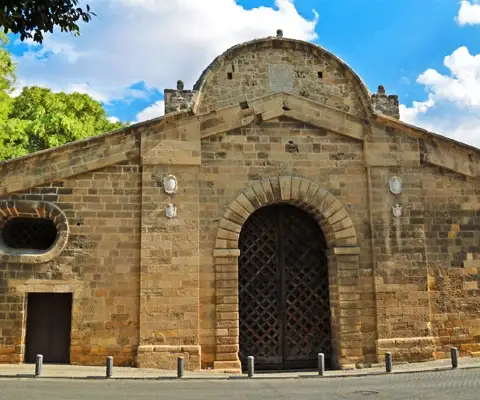
Famagusta Gate is one of the three monumental gates built by the Venetians in the 16th century as part of Nicosia’s defensive walls. Once the main entrance connecting the capital to the eastern coast and the port city of Famagusta, the gate remains one of the most striking examples of Renaissance military architecture in Cyprus. Its thick stone arches, circular dome, and tunnel-like passageway reflect the engineering brilliance of the Venetian period. Today, the gate stands not only as a historic monument but also as a vibrant cultural venue. The renovated interior now hosts art exhibitions, concerts, and community events, offering visitors a chance to experience Cyprus’s artistic and historical heritage in one place. The cool stone interior and preserved architectural details make it a fascinating stop for history enthusiasts and photographers alike. Located near Eleftheria Square, Famagusta Gate serves as a symbolic entrance into the old city of Nicosia, where narrow streets, museums, and traditional shops reveal the city’s layered history.

Faros Beach
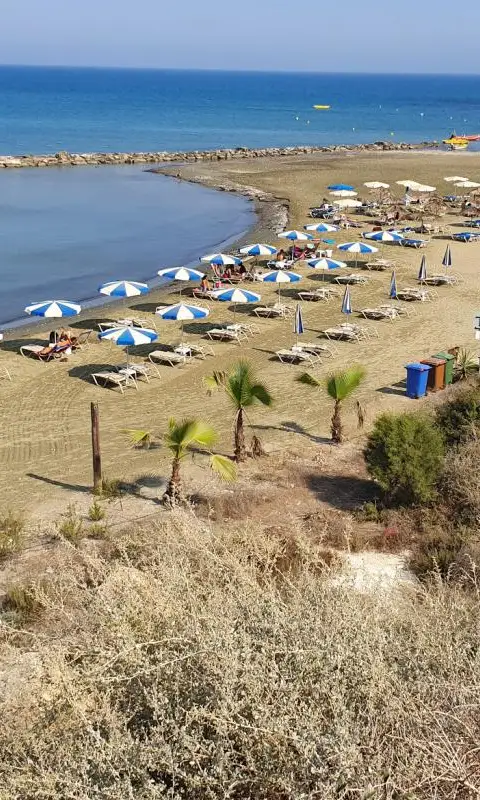
Faros Beach is a beautiful and tranquil beaches in the Larnaca district, located near the charming coastal village of Perivolia. It takes its name from the nearby Cape Kiti Lighthouse, which overlooks the shoreline and offers breathtaking views of the sea, especially during sunset. The beach is known for its long stretch of soft dark sand and relaxed atmosphere that attracts both locals and visitors seeking peace and natural beauty. The beach provides a comfortable and family-friendly environment, with shallow waters that are perfect for swimming and safe for children. The combination of natural surroundings, scenic coastal views, and the distant silhouette of the lighthouse makes it an ideal spot for photography or a leisurely evening walk. Faros Beach also has a gentle breeze that keeps it cool even on the warmest summer days, making it a favorite for beachgoers looking for a quieter alternative to the busier city beaches. With its clean environment and calm setting, Faros Beach captures the essence of Cypriot coastal life, offering a perfect balance between nature, relaxation, and gentle adventure. It is a place where the sea meets simplicity and where every visit feels refreshingly peaceful.

Fig Tree Bay Beach
Fig Tree Bay is one of the most celebrated beaches in Cyprus, and for good reason. Stretching along the golden coastline of Protaras, this bay takes its name from a centuries-old fig tree that still overlooks the beach today. The sand is soft and inviting, while the sea remains exceptionally clear, offering visibility that makes swimming and snorkeling a true delight. The beach has a wide, open layout that gives it a lively yet welcoming atmosphere. Its shallow entry into the water makes it perfect for families with children, while further out, the bay deepens gradually, attracting swimmers who want to venture farther. Just offshore sits a small rocky islet, a popular destination for stronger swimmers and those looking for a small adventure, a short swim or paddle away. Beyond its natural beauty, Fig Tree Bay is well-integrated with the modern amenities of Protaras. Lined with cafes, restaurants, and beach bars, visitors can easily step off the sand to enjoy Cypriot food, refreshing drinks, or even sunset cocktails with a view. The combination of natural charm and lively surroundings makes it a highlight of any trip to the region.

Finikoudes Beach
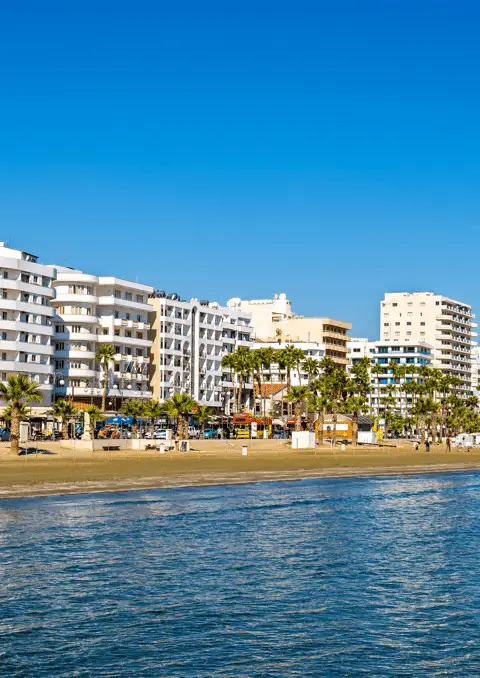
Finikoudes Beach is the vibrant centerpiece of Larnaca, a lively promenade where dark sand, palm trees, and the sparkle of the Mediterranean come together in perfect harmony. Its name, Finikoudes, means “small palm trees,” a reference to the line of palms planted here over a century ago that now tower proudly along the beachfront. This is the most famous beach in Larnaca, loved equally by locals and visitors for its blend of relaxation, entertainment, and culture. The beach offers soft dark sand and calm, shallow waters that are ideal for swimming, making it perfect for families and casual bathers. Along the promenade, visitors can find a wide range of cafés, restaurants, and shops that bring the area to life from morning until late at night. The nearby marina and fishing harbor add to the charm, while historic landmarks such as the Medieval Castle of Larnaca and Saint Lazarus Church are just a short walk away. Whether you come for a morning swim, an evening stroll, or a night out overlooking the sea, Finikoudes captures the essence of Cyprus’s coastal lifestyle. It is both a relaxing beach destination and a lively urban hub where you can enjoy the best of city life by the water.

Finikoudes Promenade
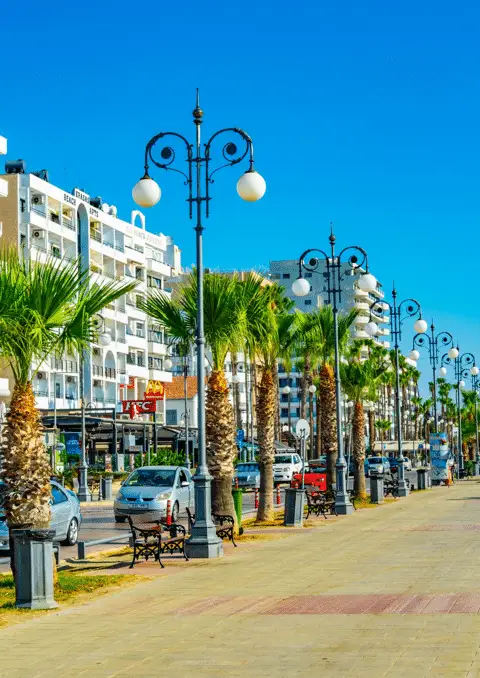
Finikoudes Promenade is the beating heart of Larnaca, stretching gracefully along the city’s most famous beachfront. This palm-lined avenue is where locals and visitors gather to enjoy the sea breeze, the soft glow of sunsets, and the vibrant energy that defines the city. The name Finikoudes means “small palm trees,” a nod to the iconic palms that were planted here in the early 20th century and have since become a beloved symbol of Larnaca’s charm. By day, the promenade hums with activity as people stroll along the walkway, enjoy coffee by the sea, or relax on the nearby Finikoudes Beach. The calm blue waters of the Mediterranean and the golden sands create a perfect backdrop for leisurely walks and sun-filled afternoons. As evening falls, the area comes alive with lights, music, and the aroma of Cypriot and international cuisine from the many restaurants and cafés that line the boulevard. Beyond its beauty, Finikoudes Promenade is also a gateway to Larnaca’s history and culture. The Medieval Castle stands proudly at one end, while Saint Lazarus Church and the old town are just a short walk away. The combination of sea views, history, and a warm, welcoming atmosphere makes the promenade an unmissable experience for anyone visiting the city.

Glyki Nero Beach
Glyki Nero, which means “Sweet Water” in Greek, is part of the long stretch of coastline that includes Pantachou and Loukkos Tou Mandi beaches, making it easily accessible for anyone staying near the town center. The beach is wide and sandy, with soft golden sand and shallow waters that are calm and safe for swimmers of all levels, especially families with young children. This beach is particularly known for its relaxed atmosphere compared to the harbor section. Visitors can enjoy a long day of sunbathing, swimming, or strolling along the shoreline while still having all essential amenities close at hand. For those looking for a little more activity, water sports are available, and there are plenty of nearby restaurants and cafes for a break from the sun. One of the highlights of Glyki Nero Beach is its location along the coastal walkway that leads to Ayia Napa’s Sculpture Park and the natural sea arch known as the “Love Bridge.” This makes it an excellent base for combining a beach day with sightseeing and photography opportunities. The mix of leisure and culture adds a unique charm to Glyki Nero, making it more than just a place to swim.

Governor's Beach - Blue Flag
Governor’s Beach is a well-known coastal area between Limassol and Larnaca, recognised for its striking white rock formations and calm, clear waters. The coastline forms a mix of soft dark sand and bright limestone cliffs, creating a unique contrast that attracts photographers, swimmers, and families looking for an easy day by the sea. The water is generally shallow near the shore, making it suitable for relaxed swimming. The beach area is divided into several small coves, each offering a slightly different experience. Some spots provide natural shade from the cliffs, while others are open stretches with organised sunbeds and umbrellas. The terrain also creates great conditions for snorkelling, as the rocks attract small marine life and offer a gentle underwater landscape to explore. Governor’s Beach is also appreciated for its accessibility and nearby facilities. Restaurants and beach bars sit directly above the water, giving visitors places to eat with sea views. The surrounding area includes walking paths, parking spaces, and areas where travellers can enjoy the quiet coastal scenery without crowds.

Green Bay Beach
Green Bay Beach is a small but picturesque beach located between Protaras and Cape Greco, famous for its calm waters and underwater life. The beach has soft sand but is best known for its excellent snorkeling and diving opportunities, with rocky outcrops and seagrass beds just a short swim from the shore. For scuba divers, Green Bay is one of the most popular training and exploration sites in Cyprus, with clear visibility and marine life including colorful fish, octopuses, and occasionally sea turtles. It’s also home to underwater statues placed as part of diving trails, making it a fascinating place for both beginners and experienced divers.

Gregoris Auxentiou Museum and Statue
The Grigoris Afxentiou Statue stands proudly near the Machairas Monastery in the Nicosia District, commemorating one of Cyprus’s most revered national heroes. Grigoris Afxentiou was a leading figure in the EOKA liberation movement (1955–1959), fighting for Cyprus’s independence from British rule. Known for his courage and unwavering patriotism, he became a symbol of sacrifice when he died in his nearby mountain hideout during a siege in 1957. The statue, made of bronze, portrays Afxentiou in a strong and heroic stance — a tribute to his determination and love for his country. It is surrounded by a memorial site and landscaped area, where visitors can pause in silence or reflect on the meaning of his struggle. The setting, high in the Machairas Mountains, provides a peaceful backdrop that reinforces the monument’s emotional and historical power. The museum provides visitors with a moving insight into Afxentiou’s life and legacy. Inside, you’ll find personal belongings, photographs, letters, and wartime memorabilia, all carefully preserved to tell the story of his bravery and dedication to Cyprus’s freedom. The traditional stone-built house maintains its original character, offering an authentic glimpse into rural Cypriot life during that era. The Afxentiou Memorial Complex, which includes the statue, the hideout, and the Machairas Monastery, forms one of the most important sites in modern Cypriot history. It attracts thousands of visitors each year who come to honor his legacy and experience a meaningful part of Cyprus’s national identity.