
Cyprus Sightseeing
Discover the most beautiful and significant places across Cyprus, from pristine beaches to ancient cultural sites and breathtaking natural wonders.
Showing 134 locations

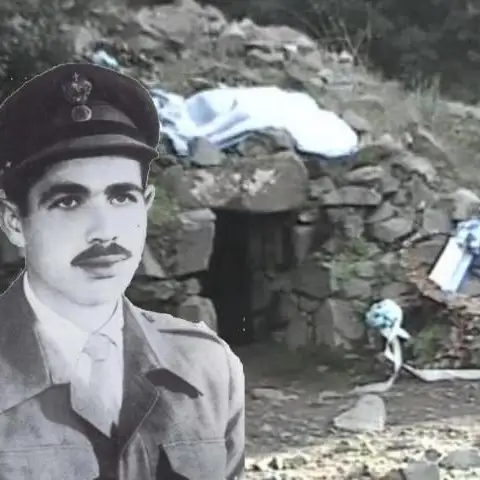
Grigoris Afxentiou Hideout
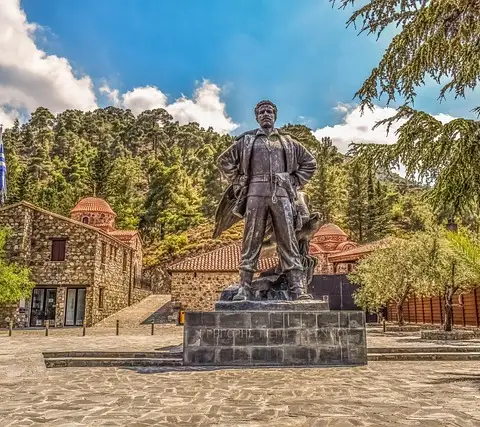
The Grigoris Afxentiou Hideout is one of Cyprus’s most important historical landmarks, located near the Machairas Monastery in the Nicosia District. It marks the site where Grigoris Afxentiou, the legendary EOKA fighter, made his last stand against British forces on March 3, 1957. Known for his bravery and devotion to Cyprus’s liberation, Afxentiou became a national symbol of heroism and self-sacrifice. The hideout is built into the rocky slopes of the Machairas Mountains, surrounded by pine forests and peaceful scenery. Visitors can follow a short walking path from the monastery to reach the small stone-built cave, preserved as it was during the 1950s. Inside, the site includes an exhibition area with photographs, documents, and personal items that tell the story of Afxentiou’s life and the EOKA movement. A memorial and statue nearby honor his legacy, while the view from the site reflects both the isolation and beauty of the area where he fought. The combination of natural tranquility and historic significance gives this site a powerful atmosphere. It’s a place of reflection and respect, drawing visitors from Cyprus and abroad who wish to understand the country’s modern history and the spirit of its independence movement.

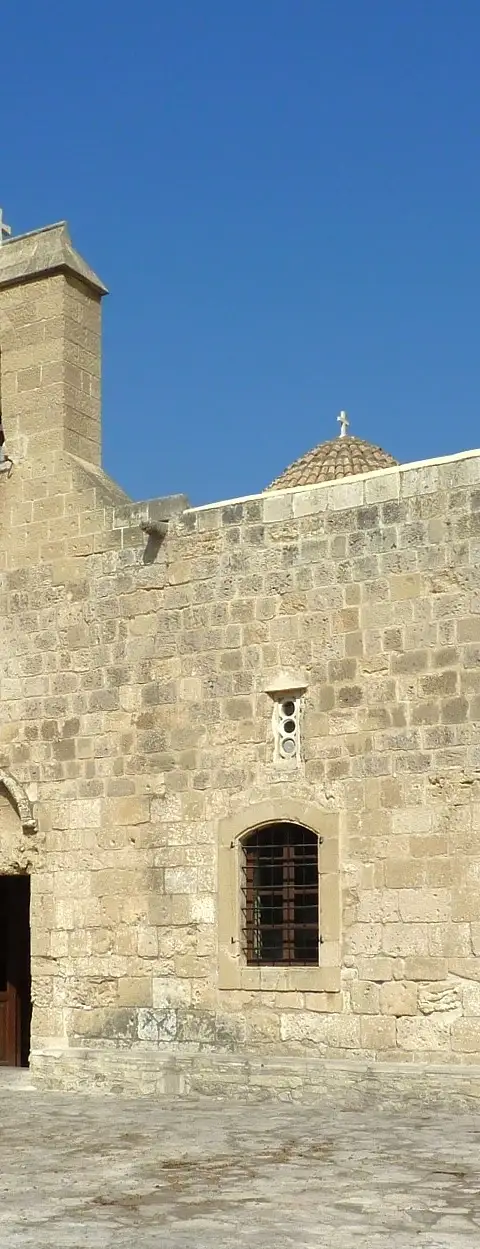
Holy Church of the Virgin Mary - Angeloktisti
In the quiet village of Kiti near Larnaca stands one of Cyprus’s most sacred and awe-inspiring landmarks, the Holy Church of the Virgin Mary Angeloktisti. The name Angeloktisti means “Built by Angels” and comes from a beautiful legend that tells how villagers once began building a church on another site, only to find it miraculously completed in a different location by heavenly hands. When they discovered the finished church standing in Kiti, they named it in honor of its divine builders. The church dates back to the 11th century and is home to one of the most important early Christian mosaics in Cyprus. Inside, the mosaic of the Virgin Mary holding the Christ Child between two archangels glows with gold and colorful stones, a masterpiece that has survived since the sixth century. The stone walls and arched ceilings radiate serenity and devotion, while the natural light filtering through the windows highlights the sense of peace that fills the space. Surrounded by olive trees and the gentle rhythm of village life, the church remains an active place of worship and a precious monument to Cyprus’s Byzantine heritage. Visitors come not only to admire its ancient art but also to experience the quiet spiritual atmosphere that still lingers after more than a thousand years of prayer and faith.

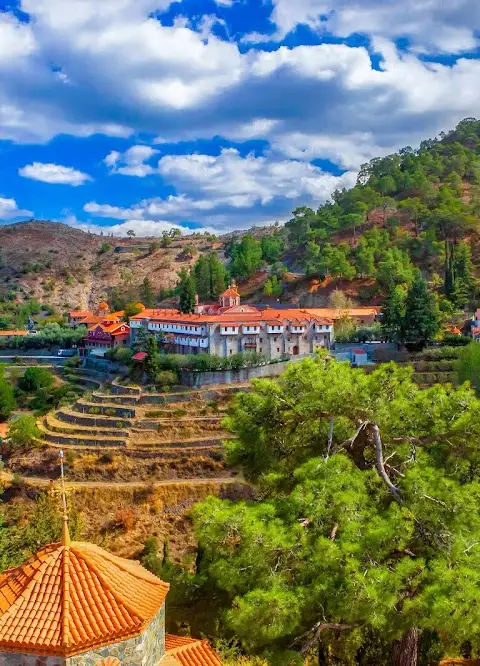
Holy Monastery of Panagia Machaira
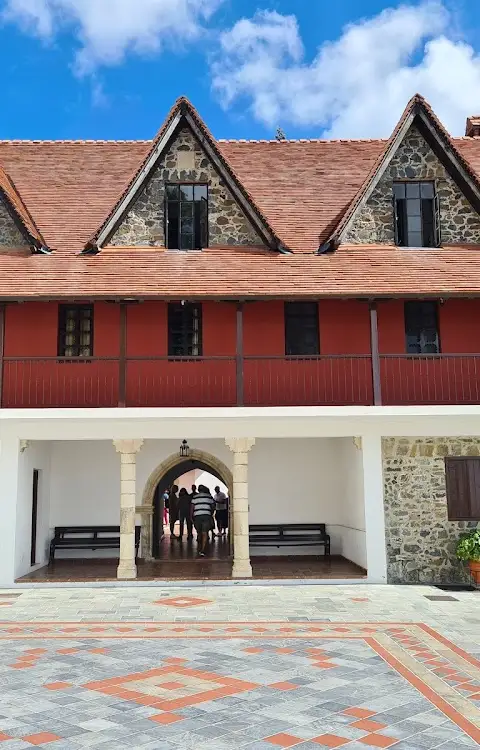
The Holy Monastery of Panagia Machaira is one of Cyprus’s most significant and revered religious sites, located about 40 kilometers south of Nicosia in the Machairas Mountains. Built in the 12th century, the monastery was founded by two hermit monks who discovered a miraculous icon of the Virgin Mary, said to have been painted by Saint Luke the Evangelist. According to tradition, the icon was hidden in a cave and revealed to the monks with the help of a divine “knife” (machaira in Greek) — giving the monastery its name. The monastery’s architecture reflects traditional Byzantine style, featuring a large stone courtyard, tiled roofs, and an ornate church filled with religious frescoes, chandeliers, and intricate wood carvings. The most treasured relic is the icon of the Virgin Mary, believed to possess miraculous powers and visited by pilgrims from across the island. Beyond its spiritual importance, Machairas Monastery also played a role in Cyprus’s modern history. During the 1950s, the area served as a hideout for Grigoris Afxentiou, a leading EOKA freedom fighter. His nearby hideout, where he lost his life in 1957, remains a national memorial and a symbol of courage and sacrifice. The monastery is surrounded by the peaceful Machairas National Forest Park, offering breathtaking mountain views and a sense of serenity that complements its sacred atmosphere. It remains an active monastery, home to a small community of monks who maintain the site and welcome visitors with respect and quiet devotion.

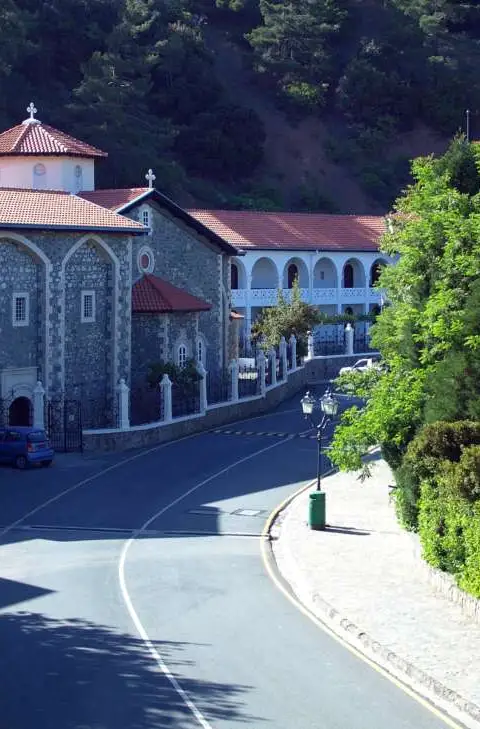
Holy Monastery of the Virgin Mary of Kykkos
The Holy Monastery of the Virgin Mary of Kykkos, or simply Kykkos Monastery, is one of the most renowned and wealthiest monasteries in Cyprus. It is dedicated to the Virgin Mary and stands majestically in the Troodos Mountains at an altitude of about 1,200 meters. Founded around the end of the 11th century during the reign of Byzantine Emperor Alexios I Komnenos, the monastery is famous for its impressive Byzantine architecture, rich history, and spiritual significance. The monastery houses one of only three surviving icons attributed to the Apostle Luke, depicting the Virgin Mary holding the infant Jesus. This sacred icon, believed to possess miraculous powers, is covered in silver gilt and kept behind a protective veil. The complex itself is adorned with intricate mosaics, frescoes, and golden decorations that tell biblical stories, showcasing the artistic excellence of Byzantine craftsmanship. Visitors are struck by the blend of deep spirituality and visual beauty that fills every corner of the site. Kykkos Monastery also played an important role in Cypriot history, particularly during the national struggles for independence. The first President of Cyprus, Archbishop Makarios III, began his monastic life here, and his tomb is located nearby in the same mountainous region. Today, Kykkos remains a major pilgrimage site and a key cultural and religious landmark attracting visitors from all over the world.

Holy Monastery of Trooditissa
Trooditissa Holy Monastery is a historic Orthodox monastery located in the Troodos Mountains, near the village of Foini and Platres. Surrounded by pine forests and mountain slopes, the monastery sits in a quiet valley that reflects the peaceful character of the region. It is considered one of the important religious sites in the Troodos area and attracts both pilgrims and visitors interested in Cypriot religious heritage.The monastery dates back several centuries and is dedicated to the Virgin Mary. According to tradition, it was founded during the Byzantine period when monks sought refuge in the mountains during times of icon persecution. Over the years the monastery grew into a place of worship known for its religious icons and strong spiritual significance for the local community.One of the most well-known features of Trooditissa Monastery is its connection to a local tradition related to fertility blessings. Couples hoping to have children visit the monastery to pray and participate in a special blessing connected to a historic icon and stone kept at the site. Today, the monastery continues to function as an active place of worship while welcoming visitors who wish to explore the religious and cultural history of the Troodos Mountains.

Icon store room of St. Mariamnis
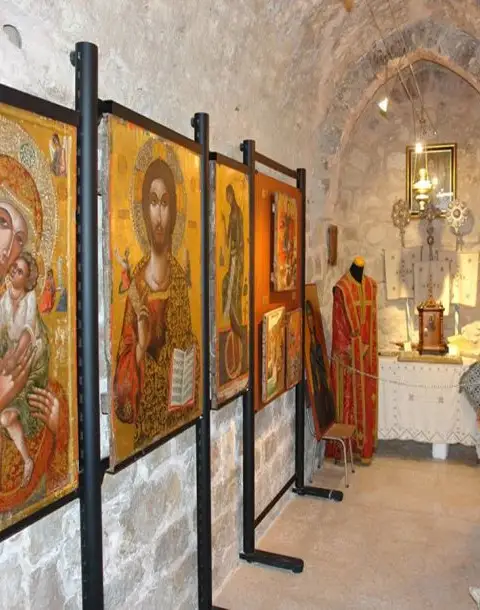
The Icon Store Room of St. Mariamnis is a cultural gem in the wine village of Arsos, preserving centuries of Cypriot religious art and history. Inside this small but meaningful collection, visitors can admire a remarkable display of Byzantine and post-Byzantine icons, sacred vessels, and ecclesiastical treasures that reflect the village’s deep spiritual roots. Many of the icons once adorned local chapels and churches, making the store room not just a museum, but a guardian of Arsos’ religious and artistic heritage. Each piece tells a story — from the craftsmanship of village artisans to the enduring devotion of the community. What makes this site special is its intimate and authentic feel. Unlike larger museums, the Icon Store Room offers a quiet, personal encounter with Cyprus’ sacred past, allowing visitors to pause, reflect, and connect with traditions that have shaped village life for generations.

Kalamies Beach
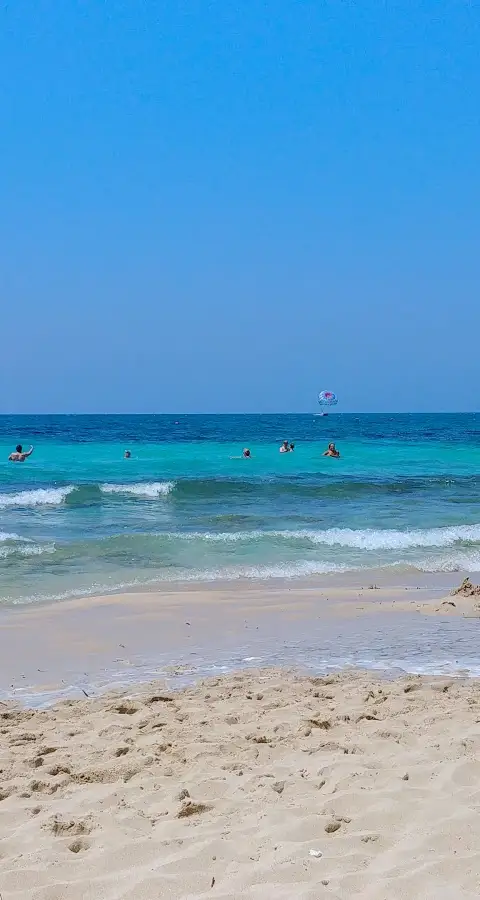
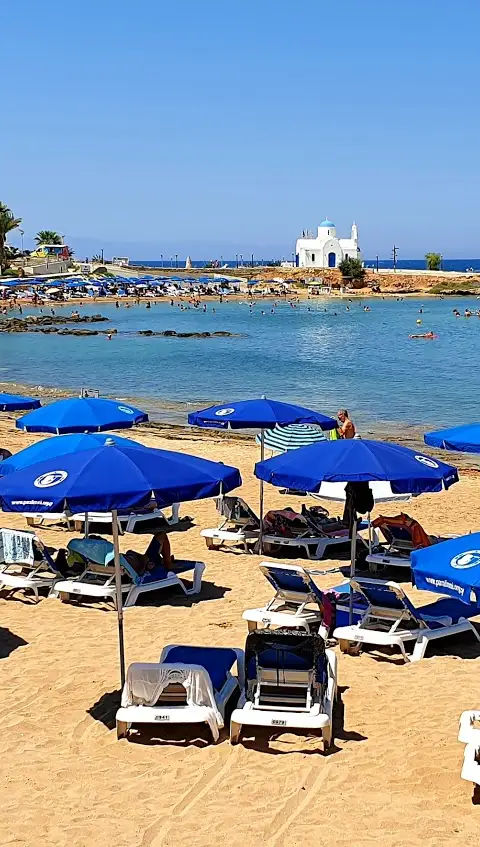
alamies Beach is a picturesque and family-friendly beach located in the Pernera area of Protaras, Cyprus. Renowned for its soft golden sand and crystal-clear, shallow waters, it offers a serene environment ideal for swimming, sunbathing, and relaxation. The beach is framed by lush greenery and a backdrop of palm trees, enhancing its tropical appeal. Its gentle slope into the sea makes it particularly suitable for families with young children and less experienced swimmers. The beach is easily accessible via the Protaras coastal walkway, allowing visitors to enjoy scenic strolls along the coastline. Despite its popularity, Kalamies Beach maintains a relaxed and welcoming atmosphere, making it a favorite spot for both locals and tourists seeking a peaceful beach experience.

Kalidonia Waterfall
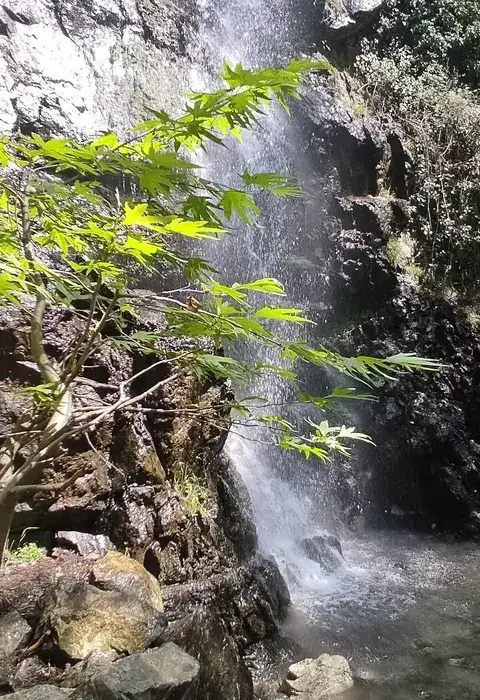
Kalidonia Waterfall is one of the most popular natural attractions in the Troodos Mountains. It is located near the village of Platres and is reached through a forest trail that follows the Kryos Potamos stream. The area is known for its cooler climate, dense vegetation, and flowing water throughout most of the year. The waterfall drops from a rocky cliff into a shaded pool surrounded by trees and moss-covered stones. The trail to the waterfall is part of a longer nature route, offering wooden bridges, small crossings, and shaded sections along the way. The sound of running water and the forest setting create a refreshing break from the coastal areas of Cyprus. Kalidonia Waterfall attracts both casual visitors and hiking enthusiasts. It is suitable for short walks as well as longer nature outings, especially during spring and early summer when water flow is strongest. The area is well maintained and clearly marked, making it one of the easiest waterfalls in Cyprus to visit.

Kamares Aqueduct
The Kamares Aqueduct, is one of Larnaca’s most iconic historical landmarks and a striking example of Ottoman engineering. Built in 1747 under the rule of Bekir Pasha, the aqueduct once supplied fresh water from a nearby spring to the city, serving as a vital lifeline for the residents of Larnaca. Stretching across the landscape in a graceful line of stone arches, it remains a symbol of the city’s long and diverse history. Today, the aqueduct stands beautifully preserved on the outskirts of Larnaca, offering visitors a peaceful setting where history and nature blend harmoniously. At sunset, the golden light reflects off the arches, creating one of the most photogenic sights in the area. The surrounding paths and green spaces make it a favorite spot for walkers, cyclists, and photographers who want to capture the timeless elegance of this architectural masterpiece. Although no longer in use, Kamares continues to remind visitors of the ingenuity and craftsmanship of the past. It has become a cultural landmark and a quiet retreat for those who appreciate the stories carried by Cyprus’s ancient stones.

Kapparis Dog Beach
Kapparis Dog Beach is a sandy bay that welcomes dogs, located in the Kapparis area near Protaras. It’s fairly small and less developed compared to major resort beaches, which makes it more natural and relaxed. The beach has both sand and some rocks in the water. The rocks give dogs (and people) places to explore, swim, paddle, and enjoy the sea. It feels more “back to nature” than highly staffed beaches, and tends to be more used by locals or visitors with dogs looking for somewhere more casual rather than full-service. Despite the more natural feel, the access is fairly doable. There is a turning off the main road from Protaras toward Kapparis, then a residential/etc stretch, then a dirt / off-road section close to the coast. Because of that, the last bit can be less even, but for most people it’s manageable. The beach is east facing, so the sun and wind patterns favor afternoons (sun behind you) for better comfort. It’s a place where dog owners can bring their pets to swim, roam (sometimes off-leash), and just enjoy a beach day together.

Kastella Beach - Blue Flag
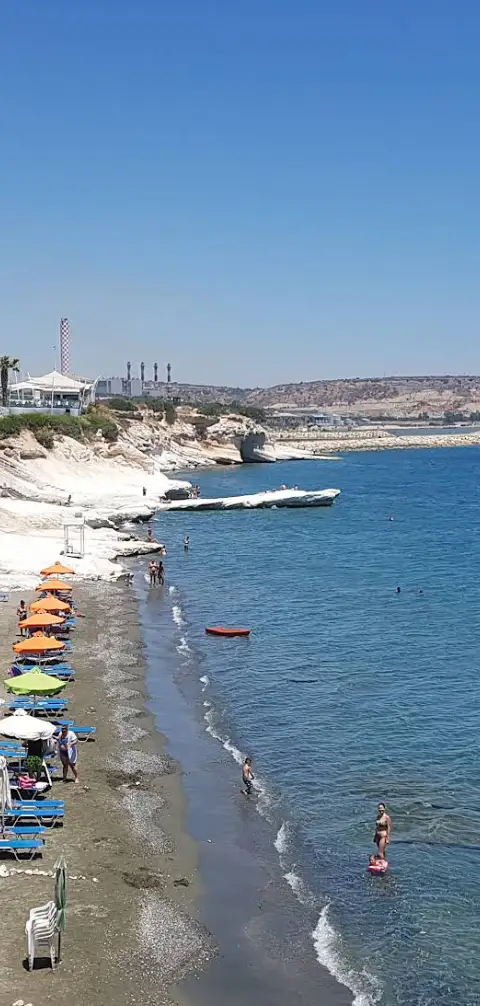
Kastella Beach is a charming and family-friendly coastal spot located just south of Larnaca Marina, near the picturesque fishing harbor. Recognized with the prestigious Blue Flag award, this beach is celebrated for its exceptional water quality, safety standards, and well-maintained facilities. Its calm, shallow waters and relaxed atmosphere make it a favorite for families, couples, and anyone seeking a peaceful beach day close to the city. The beach features fine dark sand and gentle waves, creating ideal swimming conditions for all ages. The compact size of Kastella gives it an intimate and welcoming feel, while still offering all the conveniences of a well-organized urban beach. Its darker, fine sand and calm, shallow waters give it a unique natural character, setting it apart from the bright golden beaches of Paralimni and Protaras. During the late evening, the sea recedes slightly, creating long stretches of shallow water where visitors can walk far out into the sea, a serene and memorable experience, especially at sunset. Lined with palm trees and cozy cafés, it’s perfect for a morning swim, sunbathing, or enjoying a leisurely seaside meal. The nearby Piale Pasha promenade connects Kastella Beach with Finikoudes, making it easy to walk or cycle between Larnaca’s main coastal areas. Evenings at Kastella have a relaxed, local charm and the soft lighting from nearby tavernas and the scent of freshly grilled seafood create a laid-back Mediterranean vibe. With its clean, safe environment and convenient location, it’s an excellent choice for a quiet yet accessible beach experience in Larnaca.

Katsarka Beach
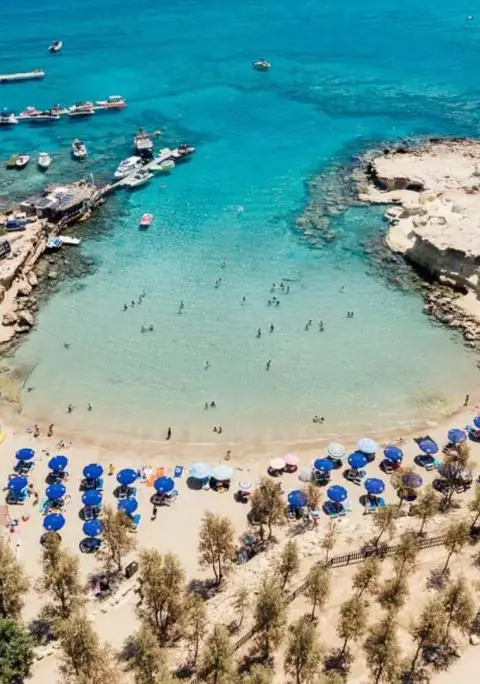
Katsarka Beach is a unique coastal spot near Ayia Napa, distinct from the typical sandy beaches in the area. The shoreline is a mix of sand and rocky sections, and there are rocks in the water, making it ideal for visitors who enjoy exploring tidal pools, snorkeling, or observing marine life. The natural landscape surrounding the beach provides a scenic backdrop, with cliffs and greenery framing the coastline. This beach offers a more rugged and authentic seaside experience for those looking to connect with nature.