
Cyprus Sightseeing
Discover the most beautiful and significant places across Cyprus, from pristine beaches to ancient cultural sites and breathtaking natural wonders.
Showing 134 locations

Agiou Kyriakou Anaxoritou Church
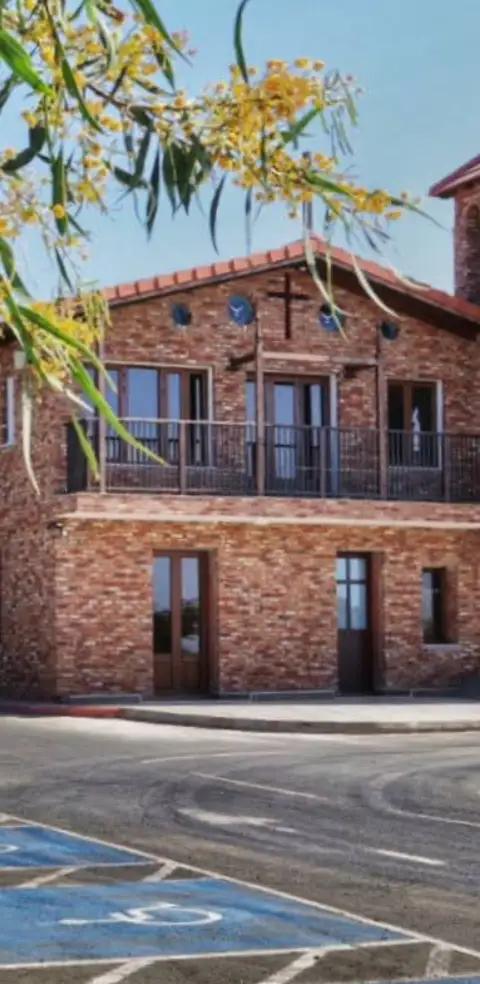
The Agiou Kyriakou Anaxoritou Church is a small yet deeply spiritual landmark that reflects the peaceful and devout character of Cypriot village life. Surrounded by serene countryside and traditional stone houses, the church stands as a reminder of the island’s enduring connection to faith and community. Built in a simple yet beautiful Byzantine style, its stone walls and tiled roof give it a timeless charm that blends perfectly with the natural landscape around it. Inside, visitors can find icons of Saint Kyriakos and other saints, each carefully preserved and displayed with reverence. The air carries the scent of incense and candle wax, creating a calm and contemplative atmosphere. Though modest in size, the church holds deep significance for the local community, often serving as a place for quiet prayer and small religious gatherings that continue age-old traditions. Set among peaceful surroundings, the Agiou Kyriakou Anaxoritou Church is not just a place of worship but also a glimpse into the spiritual heart of rural Cyprus. It invites visitors to pause, reflect, and experience the beauty of simplicity and faith that defines so many of the island’s hidden treasures.

All Saints of Cyprus Church
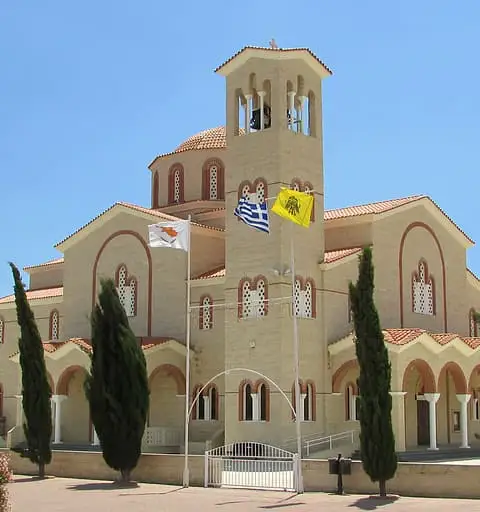
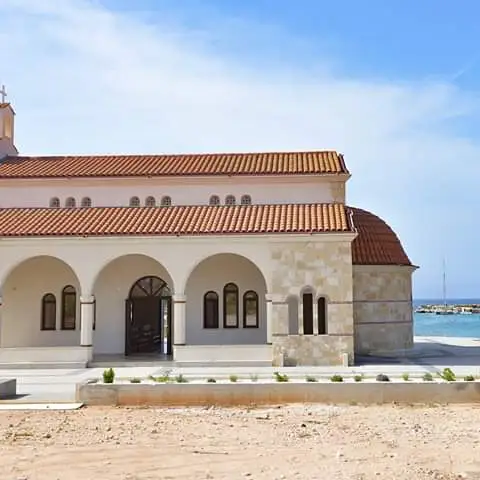
The Church of All Saints of Cyprus is a relatively modern Orthodox church located in Ayia Napa. Built with traditional stone and Byzantine-inspired architecture, it stands out for its impressive dome and cross-shaped design. Though not as historic as the nearby monastery, the church plays an important role in the local community and serves as a place of worship and celebration for Cypriot Orthodox traditions. Inside, visitors will find colorful frescoes, icons, and a peaceful atmosphere for prayer. The church is dedicated to all the saints connected with Cyprus, making it spiritually significant to the island’s religious identity.

Althea Beach
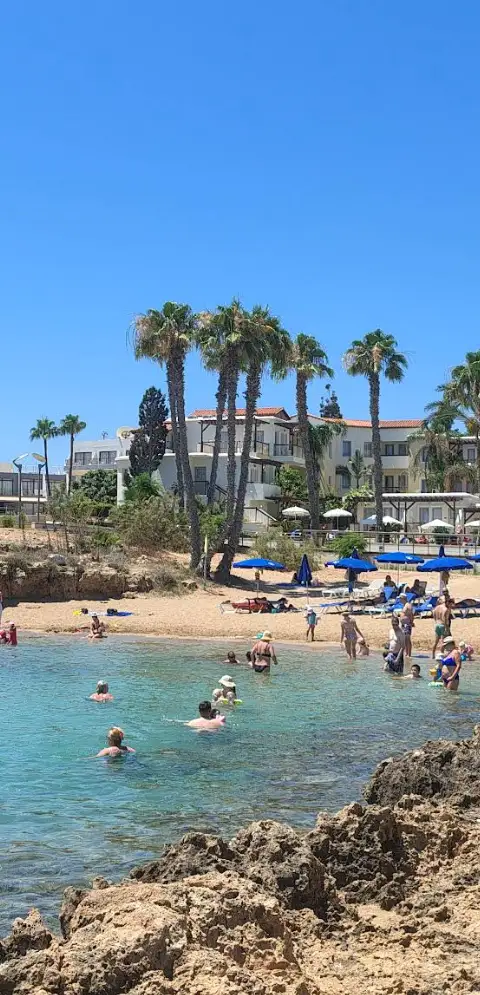
A small, secluded beach often enjoyed by guests from nearby hotels, which can also be reached via the Protaras coastal walkway.

Ammos Kambouri Beach
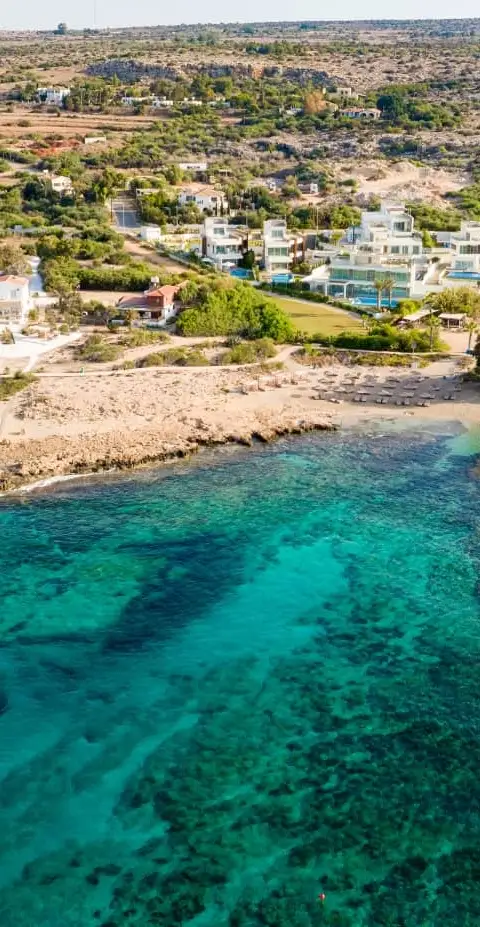
Ammos Kambouri Beach is a small, charming bay tucked away between rocky formations on the eastern side of Ayia Napa. Compared to the larger stretches of sand in the area, this beach feels more intimate, offering a sheltered setting with calm, shallow waters. The sandy shoreline blends with natural rock pools, giving the place a distinctive coastal character. It’s a good spot for swimming, sunbathing, and light snorkeling, thanks to its clear waters and rocky corners where fish often gather. Families often choose it for the gentle sea, while couples enjoy the peaceful atmosphere away from the busier beaches of Ayia Napa. Its natural setting makes it ideal for those who want to enjoy the sea in a more relaxed environment without leaving the town far behind.

Aphrodite Nature Trail
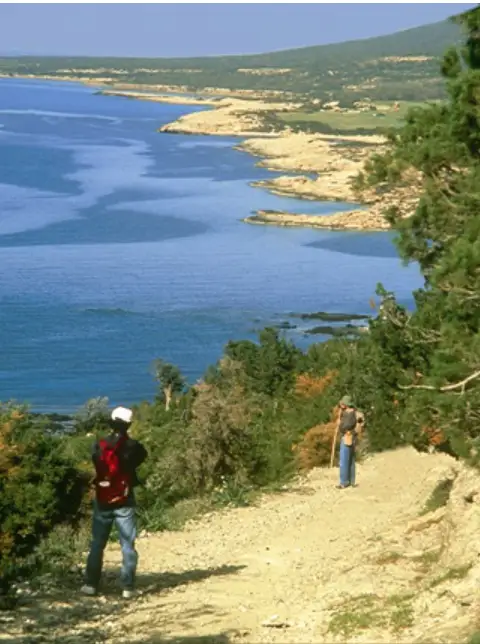
The Aphrodite Trail is one of the most iconic nature trails in Cyprus, starting near the Baths of Aphrodite in the Akamas Peninsula. What makes it special is its combination of mythology, nature, and panoramic beauty. According to legend, this is where the goddess Aphrodite met her beloved Adonis — and the trail follows in their mythical footsteps. Along the way, hikers enjoy breathtaking views over Chrysochous Bay, explore the Ruins of Pyrgos tis Rigainas (Queen’s Tower), and walk through forests of juniper, pine, and wild herbs. It’s especially stunning at sunrise or sunset, when the landscape glows with soft light over the sea and cliffs. For nature enthusiasts, it’s also a hotspot for local flora and fauna, especially during spring.

Aphrodite's Rock / Beach
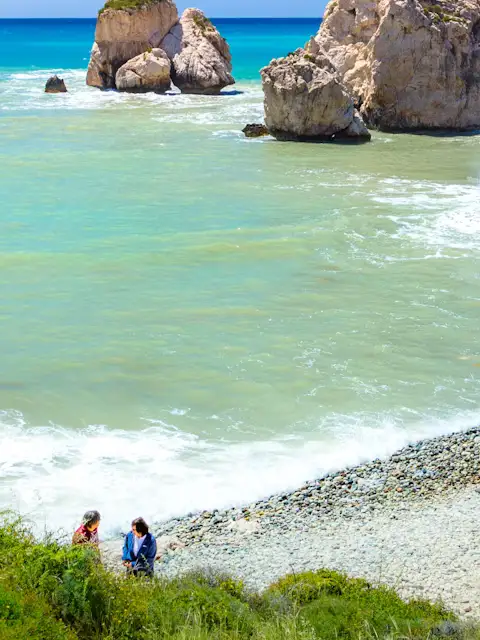
Aphrodite’s Beach, also known as Petra tou Romiou (Rock of Aphrodite), is a legendary stretch of coastline on the south-west coast of Cyprus near Kouklia. The beach is famous not only for its beauty but also for its mythic heritage: according to ancient Greek myth, Aphrodite, the goddess of love and beauty, emerged from the sea foam at this very spot. The scenery is striking: a crescent shaped shoreline of pebbles and some sand, backed by cliffs and large rocks, with sea stacks rising from the water that add dramatic flair to the view. Visitors often come to walk along the water’s edge, take photos of the rock formations, enjoy the sound of waves against stones, and breathe in the fresh sea air. Swimming is possible but should be done with care, as the sea can be choppy and some areas drop off sharply. The beach is especially atmospheric at sunrise or sunset, when light plays beautifully on the rock and water. Because it’s outdoors and natural rather than heavily commercial, it offers a more nature-focused, contemplative experience.

Apostolos Andreas Chapel (Makronissos)
The Church of Apostolos Andreas in Makronissos is a small yet beautiful seaside chapel dedicated to Saint Andrew, the patron saint of fishermen and sailors. Built in the traditional island style with whitewashed walls and a simple blue dome, it overlooks the Mediterranean, offering visitors both a spiritual and scenic experience. The peaceful setting makes it a popular spot for quiet reflection, weddings, and baptisms, while also serving as a reminder of Cyprus’s deep Orthodox Christian roots.

Apostolos Andreas Chapel (Protaras)
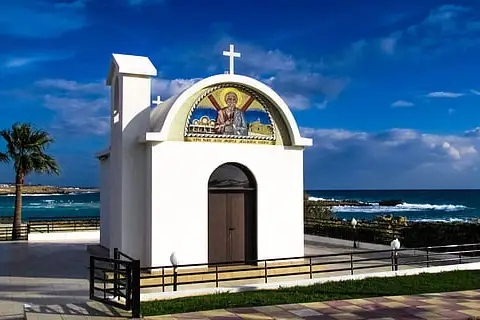
The Chapel of St. Andreas is a beautiful whitewashed chapel located on the coastline of Protaras, offering panoramic views of the Mediterranean Sea. Its simple yet striking architecture, with a blue dome and cross-topped bell tower, makes it one of the most photographed landmarks in the area. The chapel is an active place of worship and a popular stop for both locals and tourists, especially those seeking a peaceful spot for reflection or prayer. The serene atmosphere, combined with its location overlooking the turquoise waters, has also made the chapel a favorite for weddings and baptisms. Visitors often come not only for its religious significance but also for the breathtaking scenery that surrounds it.

Archaeological Site of Amathous
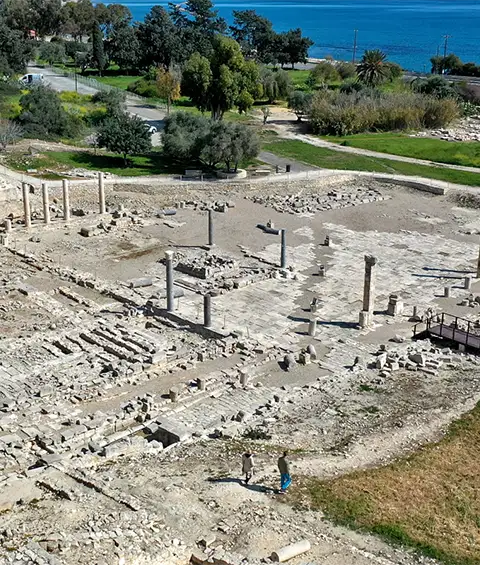
The Archaeological Site of Amathous is one of the most important and fascinating ancient cities of Cyprus, located just a few kilometers east of Limassol. Once a powerful city-kingdom founded around 1100 BC, Amathous was a thriving center of trade, religion, and culture for over a thousand years. The city’s ruins stretch across a hillside overlooking the Mediterranean, offering both historical depth and breathtaking sea views. Visitors walking through the site can experience layers of Cypriot history, from ancient sanctuaries to Roman baths and Byzantine remnants. Amathous was dedicated to the worship of Aphrodite, the goddess of love and beauty, and its Temple of Aphrodite was one of the most significant religious centers on the island. The site also features impressive remains of the agora (marketplace), city walls, tombs, and massive stone jars believed to have been used for storing wine or oil. Archaeological excavations continue to reveal insights into how the city flourished during the Greek, Roman, and early Christian periods. Its elevated position gives visitors panoramic views of the coast, making it a peaceful and inspiring place to explore. Today, Amathous stands as an open-air museum where the ancient past meets the natural beauty of Cyprus’s southern shoreline. The site is well signposted, allowing visitors to follow walking paths that guide them through its most notable features. It’s a must-see destination for history lovers, photographers, and anyone interested in experiencing Cyprus’s ancient heritage firsthand.

Archangel Gabriel Chapel
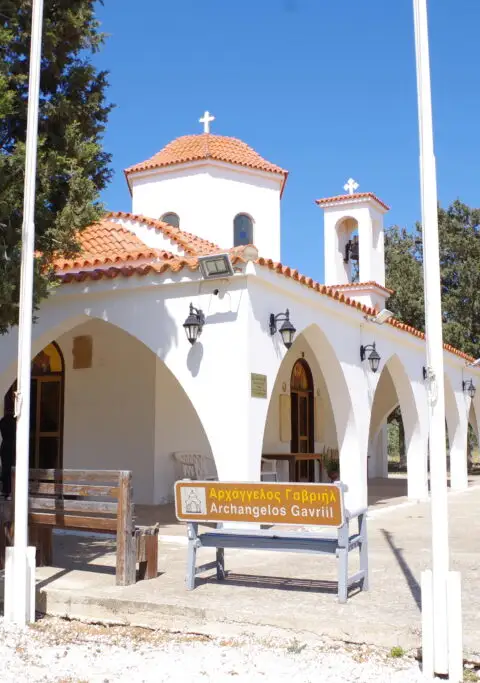
Archangel Gabriel Chapel is a small Greek Orthodox chapel located in the foothills of Fanou, in the Paralimni area of Ammochostos District, Cyprus. It was built in 1965 by local residents as a gesture of gratitude after one benefactor’s child was healed. Over time the chapel has been modified and expanded: in 1998 walls were shifted, a bell was added, and interior decoration with frescoes (hagiographies) was completed. The chapel is modest but charming, set in a rural landscape with views over the hills and toward the sea in the distance. On 13 July each year it holds a feast day in honor of Archangel Gabriel, drawing local worshippers and visitors. Nearby points of interest include the Traditional House of Paralimni and natural areas like Agioi Saranta Forest. The chapel is somewhat removed from the busiest tourist areas, giving it a peaceful, contemplative feel. It’s a place people often visit for religious purposes, reflection, or to enjoy the rural and scenic setting.

Archeological Site of Kourion
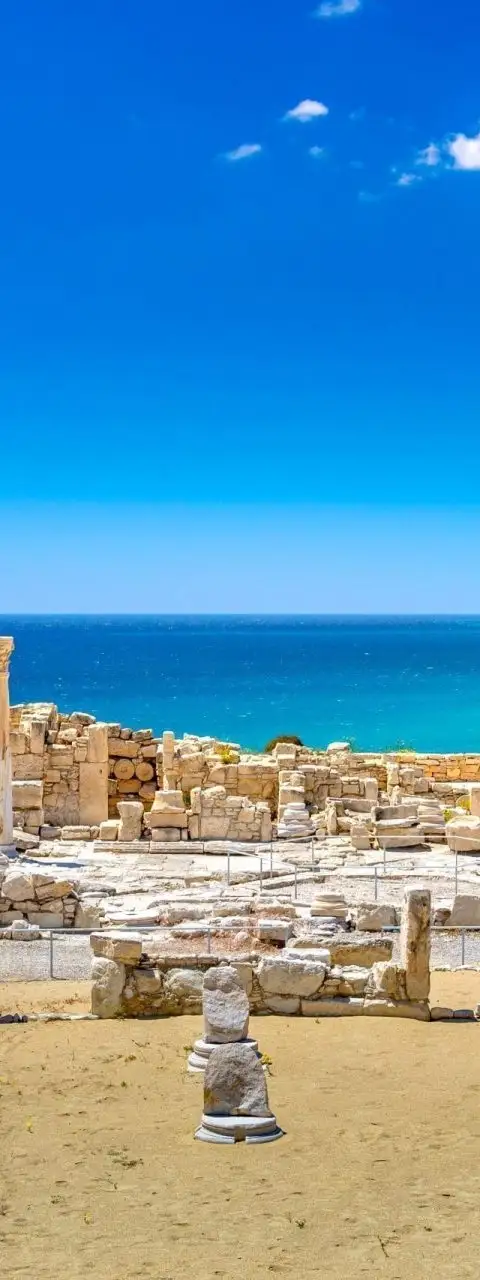
The Archaeological Site of Kourion stands as one of Cyprus’s most fascinating ancient treasures, perched high above Episkopi Bay with sweeping views of the Mediterranean. This once-flourishing Greco-Roman city-kingdom was a center of culture, religion, and trade, and today offers visitors an extraordinary journey through time. Wandering among its ruins, you can explore centuries-old structures that tell the story of a vibrant civilization that thrived for over a thousand years. At the heart of the site lies the Kourion Ancient Amphitheater, built in the 2nd century BCE and later expanded by the Romans. The amphitheater was later expanded by the Romans and could hold up to 3,500 spectators. Its design, craftsmanship, and dramatic setting make it one of the finest examples of classical architecture on the island. Standing in its stone tiers, visitors can take in sweeping views of the Mediterranean, where history and nature come together in unforgettable harmony. This ancient venue once hosted theatrical performances, musical events, and gladiator games during Roman times. Today, the amphitheater continues to serve as a stage for concerts and cultural events, especially during summer festivals organized by the Cyprus Department of Antiquities and local cultural groups. The acoustics remain excellent, allowing sound to travel perfectly across the seating area — a testament to the engineering skill of the ancient builders. The site is surrounded by other significant ruins, including the House of Eustolios, with its detailed mosaics and well-preserved Roman baths. Nearby stands the House of Eustolios, once a private villa transformed into a public bath complex, adorned with intricate mosaics that depict early Christian symbols. Other remarkable highlights include the House of Achilles, known for its detailed floor mosaics depicting mythological scenes; the Nymphaeum, a grand public fountain dedicated to the water nymphs; and the Kourion Stadium, one of the few surviving ancient sports arenas in Cyprus, where athletic competitions once drew crowds from across the island. Together, these landmarks form a captivating open-air museum that brings the ancient world to life. With its combination of history, architecture, and stunning coastal scenery, Kourion is a must-visit destination for history lovers and explorers alike.

Armyropigado Beach
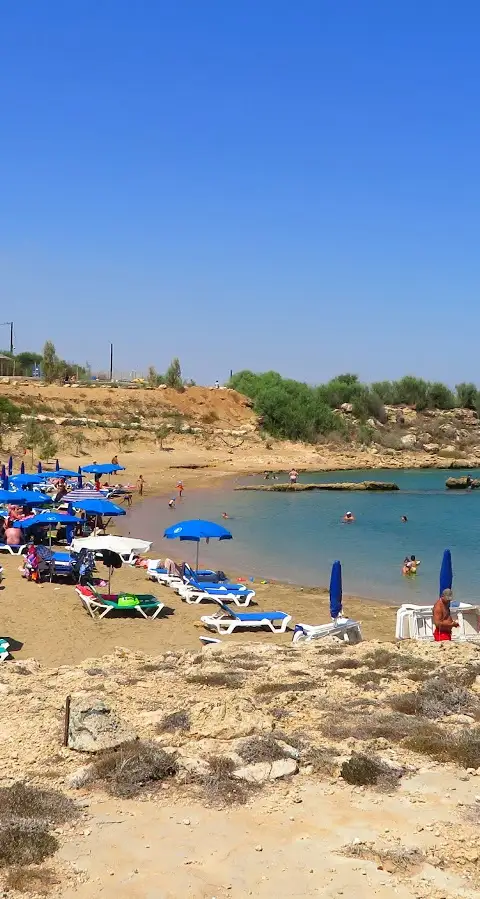
Armyropigado Beach, also known as Scouts Beach or the Scouts Club Beach, is a small secluded cove in the Kapparis area, about 7-8 km from central Protaras. The beach is tucked away, partly hidden by reeds, which gives it a more private feel than many of the main beaches. On either side, rocky outcrops frame the bay, and the sea is generally calm with clear waters. The shallow part of the beach is good for children to splash around safely, while the coarser sand, small pebbles, and rocks add character and opportunities for exploring sea life close to shore. The atmosphere is relaxed; the beach is not highly commercialised, and for many visitors it’s a place to unwind, swim, snorkel, or simply enjoy nature without the hustle of large tourist crowds. At certain times there are basic services, such as snack vans and sun loungers, but overall the vibe is more natural than fully organised resorts or main beaches. The proximity to the Scout camp, the simple facilities, and the rugged beauty of the shoreline make it popular among people who prefer quieter, more authentic beach experiences.