
Cyprus Sightseeing

    Discover the most beautiful and significant places across Cyprus, from pristine beaches to ancient cultural sites and breathtaking natural wonders.

    Showing 134 locations

    Liopetri Beach - Beaches in Famagusta District, Cyprus

    Liopetri Beach

    Famagusta District

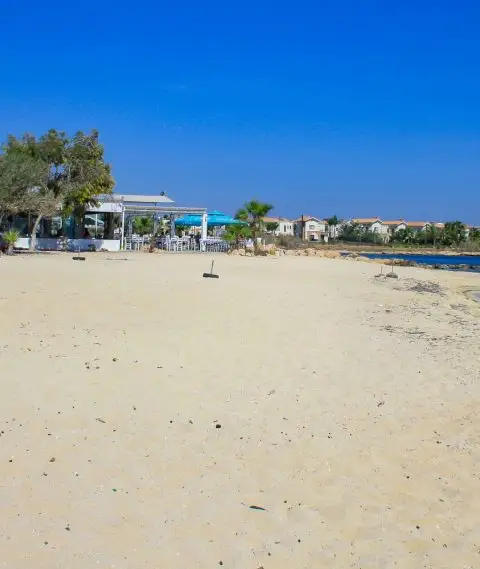
    Liopetri Beach is a quiet and authentic stretch of coastline located near the Liopetri River, just outside Ayia Napa. Unlike the bustling tourist beaches, this spot offers a more traditional, rustic charm. Wooden fishing boats line the river mouth, and the small harbor area is still actively used by local fishermen. Visitors can stroll around the pier, watch fishermen at work, and enjoy the scenic contrast of the calm river merging with the open sea. There are also seaside taverns nearby where you can taste freshly caught fish, grilled to perfection, making it an excellent stop for both relaxation and local culture.

    Loukkos Tou Mandi Beach - Beaches in Famagusta District, Cyprus

    Loukkos Tou Mandi Beach

    Famagusta District

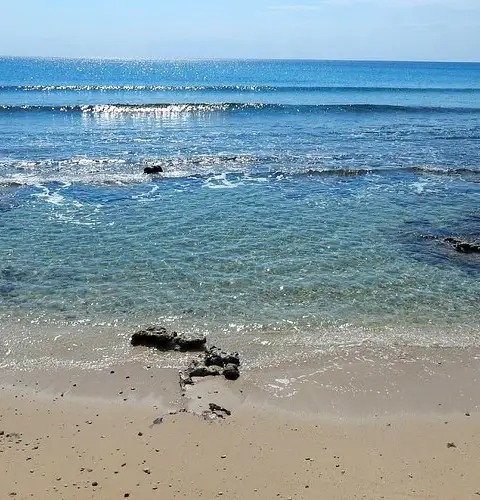
    Loukkos Tou Mandi Beach is a coastal spot near Ayia Napa known for its natural and slightly rugged shoreline. Unlike the wide sandy beaches typical of the area, this beach features a mix of sand and rocks, both on the shore and in the water. The rocky sections create small tidal pools and make it a good spot for observing marine life or enjoying light snorkeling. Surrounded by natural greenery and the characteristic Cypriot coastal landscape, Loukkos Tou Mandi Beach provides a peaceful setting for visitors who appreciate a more authentic seaside experience.

    Mackenzie Beach - Beaches in Larnaca District, Cyprus

    Mackenzie Beach

    Larnaca District

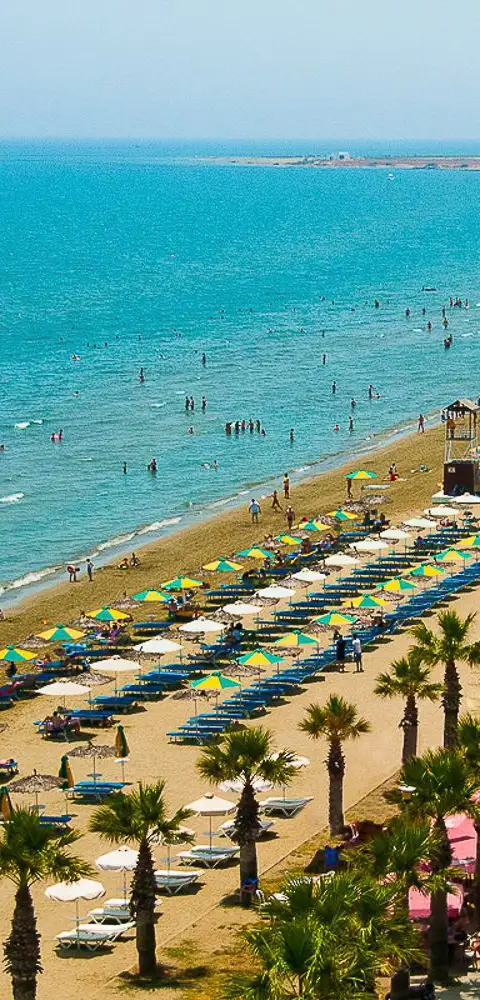
    Mackenzie Beach is one of Larnaca’s most popular and vibrant coastal destinations, located just a few minutes south of the city center and next to Larnaca International Airport. Known for its soft golden sand, shallow turquoise waters, and lively atmosphere, it perfectly combines relaxation and entertainment. The beach’s close proximity to the airport means visitors can even watch planes gracefully land and take off over the sea, a signature Mackenzie experience. The beach stretches for nearly 1 kilometer, offering plenty of space for swimming, sunbathing, and water sports. The calm and shallow waters make it ideal for families with children, while more active visitors can enjoy jet skiing, paddleboarding, and parasailing. Its darker, fine sand and calm, shallow waters give it a unique natural character, setting it apart from the bright golden beaches of Paralimni and Protaras. During the late evening, the sea recedes slightly, creating long stretches of shallow water where visitors can walk far out into the sea, a serene and memorable experience, especially at sunset. As the sun sets, Mackenzie transforms into one of Cyprus’s liveliest evening spots, with its seafront lined with bars, restaurants, and beach clubs that stay open late into the night. It’s a favorite destination for both locals and tourists looking to enjoy beachside dining, cocktails, and music in a relaxed yet energetic setting. Clean, well-organized, and awarded the Blue Flag for water quality and safety, Mackenzie Beach perfectly balances modern comfort with coastal charm. Whether you’re after a peaceful morning swim, a family outing, or a night by the sea, this beach offers something for everyone.

    Makarios Statue - Culture History in Nicosia District, Cyprus

    Makarios Statue

    Nicosia District • Troodos Mountain

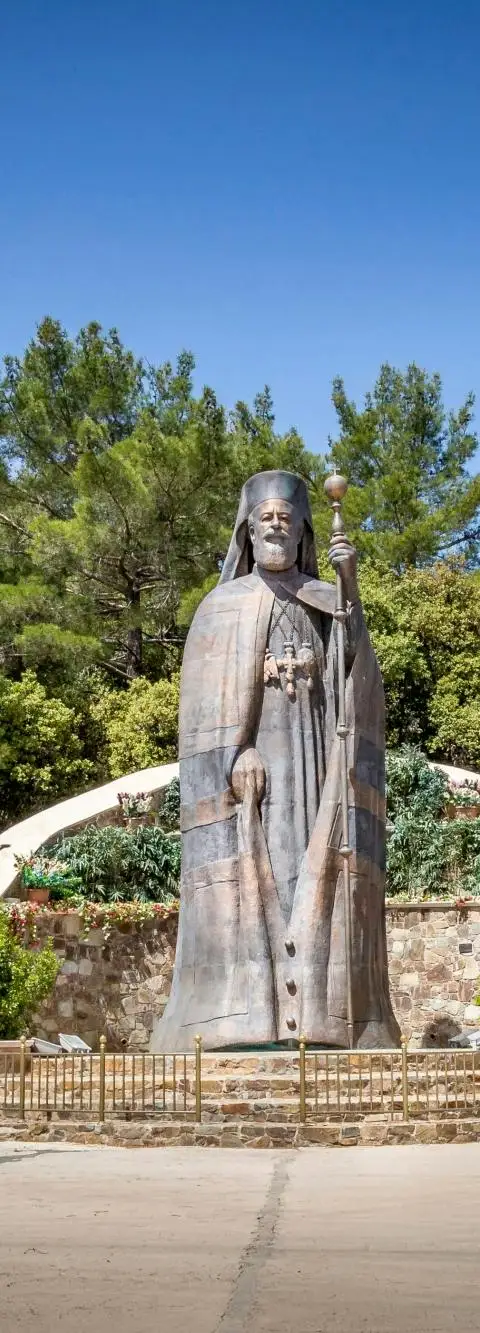
    The Makarios Statue stands proudly on the Throni Hill, overlooking the pine-covered mountains near Kykkos Monastery in the Troodos range. This imposing bronze monument honors Archbishop Makarios III, the first President of the Republic of Cyprus, who was not only a religious leader but also a national figure who played a pivotal role in the island’s modern history. The statue, symbolizing strength and vision, serves as a powerful reminder of his lifelong dedication to the people and the independence of Cyprus. Standing over three meters tall, the statue portrays Makarios in his full clerical attire, gazing protectively over the land he loved. It was placed here to mark his final resting place, as Archbishop Makarios himself had chosen to be buried on Throni Hill instead of at Kykkos Monastery, where he began his monastic life. The surrounding landscape, filled with serene forests and breathtaking mountain views, adds to the monument’s solemn and majestic atmosphere. Visitors can follow a scenic uphill path from the lower parking area to reach the statue and the nearby tomb. The route is lined with beautiful mosaics of saints and biblical scenes, adding a spiritual dimension to the experience. Many travelers pause here for reflection and to take in the panoramic views that stretch across the Troodos Mountains.

    Makronissos Archaeological Site - Culture History in Famagusta District, Cyprus

    Makronissos Archaeological Site

    Famagusta District

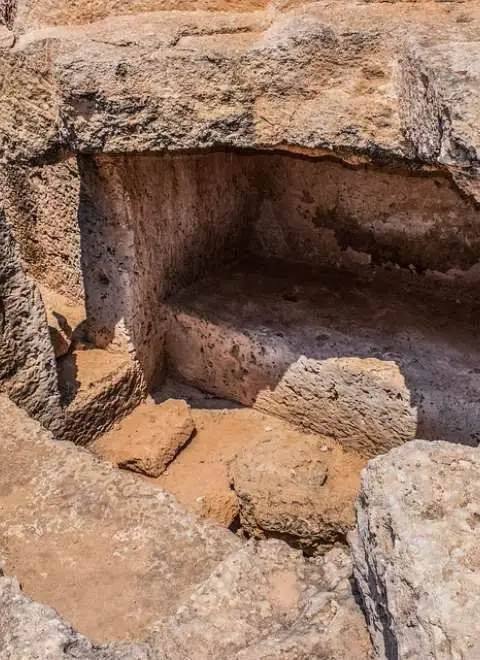
    The Makronissos Archaeological Site is related to prehistoric settlements in Cyprus, located just a short distance from Ayia Napa’s beaches. The site spans several millennia, with remains dating back to the Neolithic and Bronze Age. Visitors can explore the foundations of ancient dwellings, stone tools, and remnants of communal spaces, gaining a unique glimpse into the lives of early Cypriot communities. Makronissos is divided into three main areas — Makronissos I, II, and III — each representing different periods and aspects of prehistoric life. Walking through the site, visitors encounter reconstructed walls, preserved floors, and information panels that explain the significance of each discovery. The site is open-air, allowing tourists to combine history with the natural beauty of the surrounding coastline.

    Makronissos Beach - Beaches in Famagusta District, Cyprus

    Makronissos Beach

    Famagusta District

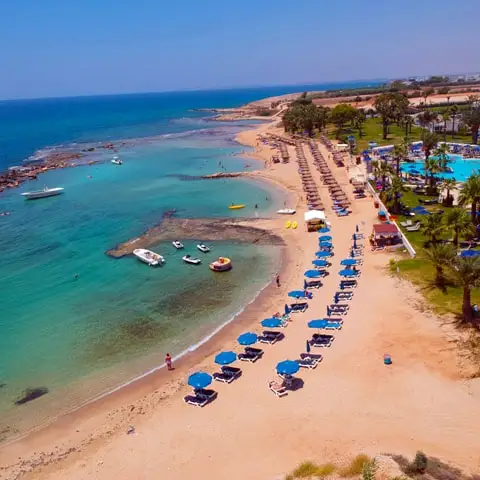
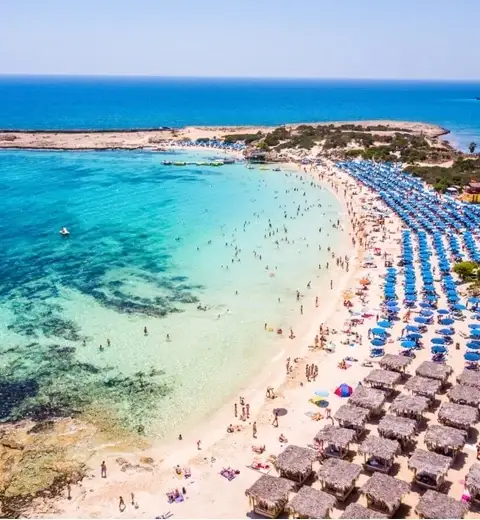
    Makronissos Beach is a beautiful and serene coastline located just west of Ayia Napa’s main resort area. Known for its golden sand, clear turquoise waters, and natural surroundings, it offers a more peaceful alternative to the bustling beaches of Nissi and Fig Tree Bay. The beach is divided into two main areas: the eastern part, closer to the archaeological site, is quieter and ideal for families, while the western end is popular with sunbathers and those seeking scenic views of the Mediterranean. Makronissos Beach is also notable for its rocky formations and small coves, perfect for snorkeling and exploring marine life. The beach is open and accessible, yet retains a more untouched, natural feel compared to some of Ayia Napa’s heavily commercialized spots. Its proximity to the Makronissos Archaeological Site makes it easy to combine a cultural visit with a relaxing seaside experience. In the evenings, certain areas of the beach may host music events or beach parties, giving visitors a lively and festive atmosphere after sunset.

    Malama Beach - Beaches in Famagusta District, Cyprus

    Malama Beach

    Famagusta District

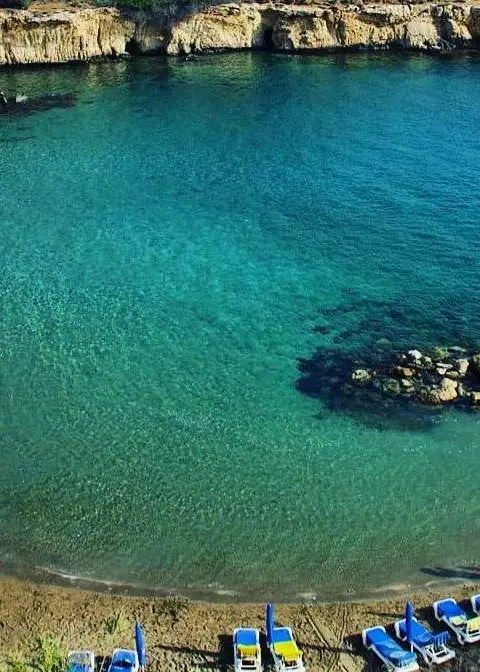
    Malama Beach is a small, sheltered sandy cove located in the northern part of Protaras, close to Kapparis. Framed by rocky headlands and gentle cliffs, it offers a naturally protected bay with calm, shallow waters. The sand is soft and golden, making it ideal for swimming and sunbathing, while the crystal-clear sea is perfect for snorkeling along the rocks where marine life thrives. Unlike the busier central beaches of Protaras, Malama Beach feels more intimate and relaxed, popular both with locals and visitors staying in nearby apartments and villas. Its size makes it easy to navigate and enjoy without the crowds, and because the beach is set slightly apart from the main tourist strip, it offers a peaceful atmosphere with plenty of charm. Despite being small, the area has everything needed for a comfortable beach day, with a balance of nature and convenience.

    Meneou Beach - Beaches in Larnaca District, Cyprus

    Meneou Beach

    Larnaca District

    Meneou Beach is a peaceful coastal stretch located just south of Larnaca, offering visitors a relaxing and authentic seaside experience. It sits close to the Larnaca Salt Lake, where graceful pink flamingos appear during the winter months, adding a touch of natural beauty to the area. Far from the crowded tourist spots, Meneou Beach is known for its calm atmosphere, making it ideal for quiet walks, swimming, and unwinding by the sea. The beach has a unique landscape that sets it apart from others in Cyprus. The sand is darker and finer, giving the shoreline a striking look, especially under the soft evening light. At the water’s edge, small rocks and pebbles mark the beginning of the beach before giving way to smooth sand underfoot. In the late evening, the tide gently lowers, revealing long stretches of shallow water where you can walk far out into the sea. This natural phenomenon creates a peaceful and memorable experience as the sun sets over the calm horizon. At certain times of the year, seaweed may appear along the shore, a reminder of the beach’s untouched and natural character. Meneou Beach offers a quiet and simple escape close to the city, perfect for those who prefer a natural and less commercial setting. With easy access, soft sea breezes, and beautiful coastal views, it remains one of the most relaxing places near Larnaca.

    Millomeris Waterfall - Nature Outdoors in Limassol District, Cyprus

    Millomeris Waterfall

    Limassol District • Troodos Mountain

    Millomeris Waterfall is one of the tallest and most impressive waterfalls in Cyprus. It is located in the Troodos Mountains near the village of Platres and is surrounded by dense forest and mountain vegetation. The waterfall drops from a steep rocky cliff into a small pool below, creating a dramatic natural scene within the forest landscape.The waterfall is formed by the Kryos Potamos river, which flows through the Troodos Mountains and feeds several natural attractions in the area. Millomeris has a strong water flow during the wetter months, especially in winter and spring, when rainfall increases the volume of water passing through the mountains.Visitors reach the waterfall by following a short trail that leads through a shaded forest area. The path includes steps and natural ground surfaces, making the walk part of the experience. Its easy access and impressive height make Millomeris Waterfall one of the most popular natural stops in the Troodos region.

    Molos (Limassol Promenade) - Modern Attractions in Limassol District, Cyprus

    Molos (Limassol Promenade)

    Limassol District

    Limassol Promenade, also known as Molos, is one of the most iconic and scenic stretches of the Limassol coastline. Extending for several kilometers along the seafront, it offers a beautiful blend of nature, art, and leisure. Lined with palm trees, flower gardens, and contemporary sculptures, the promenade provides a relaxing yet lively atmosphere that perfectly captures the spirit of the city. It is a favorite spot for both locals and visitors who come to walk, cycle, jog, or simply enjoy the sea breeze and stunning views of the Mediterranean. The promenade is designed with wide, well-paved paths and shaded seating areas, making it suitable for all ages and easy to navigate. Along the way, visitors will find playgrounds, skate parks, fountains, and open spaces ideal for families and groups. The seafront is also dotted with cafés, restaurants, and kiosks offering refreshments and local snacks. As the sun sets, the promenade transforms into a romantic setting, with lights reflecting on the sea and a calm, inviting ambiance perfect for an evening stroll. Located between Limassol Marina and the city’s main coastal road, the promenade serves as a natural link between the modern and historical parts of Limassol. It often hosts public events, outdoor exhibitions, and cultural festivals throughout the year, bringing life and color to the waterfront. With its perfect mix of urban charm and seaside tranquility, Limassol Promenade is one of the city’s most cherished landmarks and a must-visit for anyone exploring Cyprus’s southern coast.

    Monastery of Ayia Napa - Churches Monasteries in Famagusta District, Cyprus

    Monastery of Ayia Napa

    Famagusta District

    The Monastery of Ayia Napa is one of the most significant landmarks of the region, located right in the heart of Ayia Napa. Dating back to the 15th century, this medieval monastery was built around a natural cave where, according to tradition, a miraculous icon of the Virgin Mary was discovered. This discovery gave the town its name—Ayia Napa, meaning “Holy Forest” in Greek. The complex is a remarkable example of Venetian-era architecture, with thick stone walls, a beautiful central courtyard, and a marble fountain shaped like a wild boar. Its chapel, cloisters, and surrounding gardens provide a sense of calm and spirituality, contrasting with the lively atmosphere of modern Ayia Napa. Although the monastery is no longer active, it serves as a cultural and historical monument, hosting exhibitions and events that highlight Cyprus’s religious and cultural heritage.

    Musan Underwater Sculptures - Nature Outdoors in Famagusta District, Cyprus

    Musan Underwater Sculptures

    Famagusta District

    The Musan Underwater Sculptures are a fascinating and unique attraction for visitors seeking something truly different in Ayia Napa. Located a short distance from the shore, these artistic sculptures sit on the seabed and are designed to be explored by snorkelers and divers. The installation combines art and marine life, as the sculptures gradually become part of the underwater ecosystem, attracting fish and other sea creatures over time. It’s a must-visit for anyone interested in marine art, snorkeling, or underwater photography.